

Metal Stamping Parts
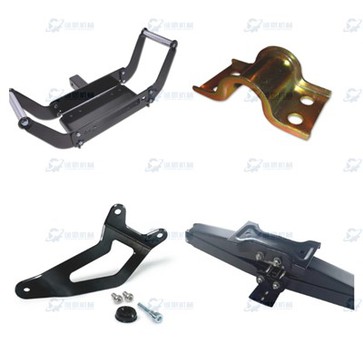
Stamping or pressing is a manufacturing process used to convert flat metal sheets into final shapes. In this process, a flat sheet of metal, either in the form of a blank or in the form of a coil, is placed in a stamping press where a tool and die surface forms the metal into a final shape.
Benefits of Metal Stamping Parts
High precision
Metal stamping parts are formed by die stamping. The precision of the die directly determines the precision of the stamping parts. Therefore, the stamping parts have high dimensional accuracy and shape accuracy, which can meet the needs of precision processing.
High efficiency
Metal stamping is a high-speed and efficient processing method. The stamping machine can complete the processing of a large number of stamping parts in a short time, with high production efficiency and suitable for mass production.
High strength
During the stamping process, the material of the metal stamping parts undergoes plastic deformation, and its internal structure is improved, thereby improving the strength and hardness of the material, so that the stamping parts have higher mechanical properties and can meet the use requirements under various complex working conditions.
High material utilization rate
During the forming process, the metal stamping parts have less material loss and can make full use of the material performance. Through reasonable mold design and process arrangement, a higher material utilization rate can be achieved and production costs can be reduced.
Complex shapes can be processed
Metal stamping molds can be designed into various complex shapes, so stamping parts can be processed into various complex shapes and structures. This makes the application of stamping parts more extensive in various fields.
Good surface quality
The surface quality of metal stamping parts is usually good, because the pressure and shear force on the material during the stamping process are relatively uniform, and it is not easy to produce defects such as cracks and wrinkles. In addition, the surface quality of stamping parts can be further improved through subsequent treatment (such as polishing, spraying, etc.).



Why Choose Us
Production Capacity
Our factory covers an area of around 5,500㎡ and we have over 50 front-line workers. We have many advanced machinery equipments.
Fast Delivery
Huge production capacity to ensure in time delivery, and transport to the destination in the first time.
Quality Assurance
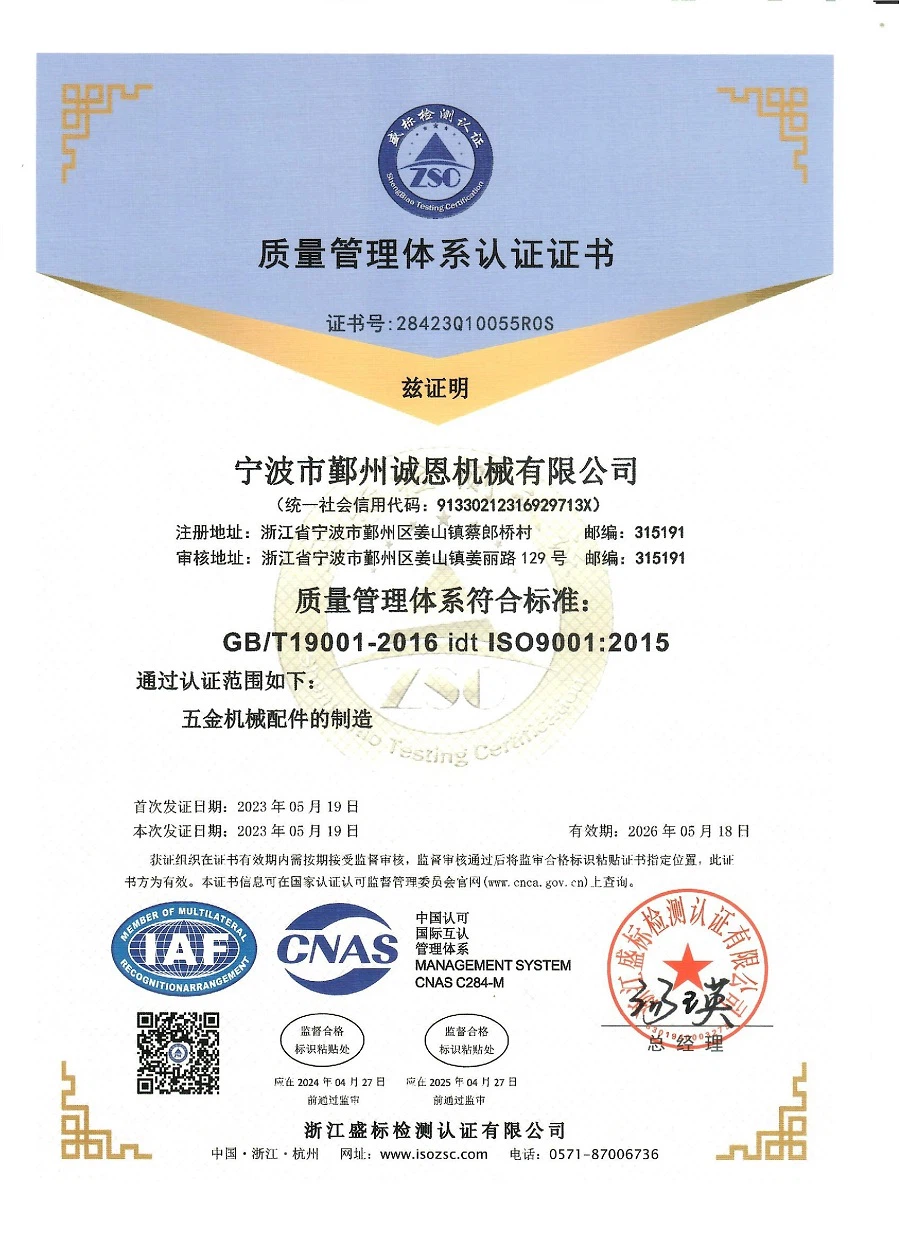
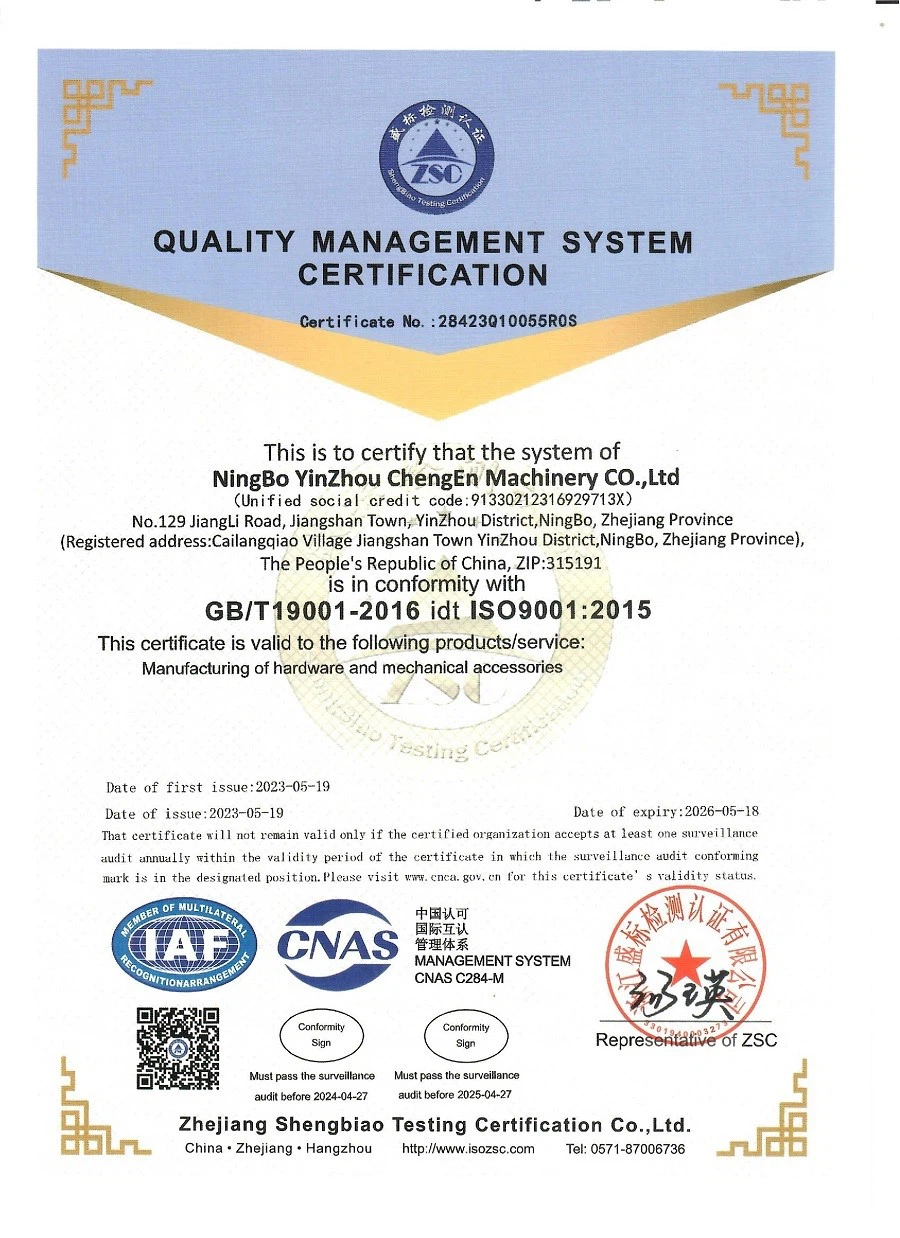
In terms of quality assurance, the company strictly follows the standards and norms of the industry quality system. Adopt industry-leading testing equipment to ensure product quality and good reputation.
Customer Service
Our clients are our top priority, and we pride ourselves on providing exceptional customer service from start to finish.
Rich Experience
Has a long-standing reputation in the industry, which makes it stand out from its competitors. With over many years of experience, they have developed the skills necessary to meet their clients' needs.
Efficient and Convenient
The company has established marketing networks around the world to provide high-quality services to customers in an efficient and convenient manner.
Finishing Options for Metal Stampings




Powder Coating and E-Coating
Coatings are applied to the surface of a part, with paint, powder, and metal coatings among the most common. Electro-coating or e-coating is often used as a primer for corrosion protection, while powder coating is added for aesthetic reasons. Some applications, particularly in the automotive industry, require both types of coating.
Plating
Many custom metal stampings require metal plating, ranging from large auto parts to miniature electronic components. Plating is primarily used to improve the appearance of a part, to inhibit corrosion, to improve electrical conductivity, and/or to extend product life.
Plating can be specified in varying thicknesses. Plating materials include precious metals such as gold and silver, and non-precious metals like zinc and cooper. The cost of the plating material can be a significant factor in the overall cost of the part. The stamping itself should be designed to minimize material waste and maximize performance, taking into consideration the type of plating required.
Plating can be performed at different stages of metal stamping production, depending on the part and its functions.
Electropolishing
Electropolishing removes the outer layer of metal and any contaminants by immersing the parts in a tank filled with a blended chemical electrolyte bath that is then subjected to an electrical current. Rack electropolishing, which is used for complex metal stampings with close tolerances, makes contact with each part. The more economical bulk electropolishing is used for small parts, such as fasteners and springs that do not require the same consistency in material removal.
Deburring
A burr is an edge or the small pieces of metal remaining on a part after stamping. Deburring is the process of removing the excess material. Although a relatively easy secondary operation, deburring is often a critical procedure for fit.
Heat Treating
The process of heat treating involves heating and cooling metals, which changes their microstructure to bring out the physical and mechanical characteristics that make it more desirable.
Heat treatment allows metal stampers to use softer steel alloys to manufacture a more complex part and still achieve the metal strength required for unique applications. The temperature that the metal is heated to, and the rate of cooling after the heat treatment, impact the metal stamping's properties. The most common reasons that metals undergo heat treatment are to improve part strength, hardness, toughness, and corrosion resistance.
Cleaning
The metal stamping process leaves residues, such as lubricants, metal shavings, and dust, on the stamped parts, which could affect the part’s function. Various cleaning methods are available to remove the contaminants and improve the part’s appearance.
Metal stampers typically offer a range of cleaning services in-house, but they may call on other approved suppliers for highly specialized cleaning services. In some cases, more than one cleaning operation may be required, both after stamping and again after metal finishing to ensure its optimal function.
The Future Development Trend of Stainless Steel Stamping Parts Industry
Since the demand for hardware kitchenware is greater than the supply, quality pressure is increasing day by day, and sales channels have become the most important factor. The sales development trend has enhanced the control ability of large home appliance chain stores, participating in and triggering price competition previously dominated by stamping manufacturers.
The development trend of the stainless steel stamping parts industry is relatively obvious. In order to demonstrate its capabilities and strength, the industry is rapidly exploring the market through good channels, accelerating integration with the hardware industry of various countries, and improving product quality and competitiveness. Therefore, the future development trend of the hardware industry will become increasingly strong.
The finished products of stainless steel stamping parts mainly include automobile bodies, chassis, fuel tanks, radiator fins, boiler drums, container shells, motors and electrical steel cores, etc. Instruments, doors, windows, office machinery, etc. all have a large number of stainless steel stamping parts. It can be seen that the development of stainless steel stamping parts has a certain driving effect on the development of national economic infrastructure and hardware industry. Moreover, it can make the hardware industry more mature and stable. It is also indispensable to the national economy.
Applications of Stamping Parts in Various Industries
The automotive industry is one of the largest users of stamped parts
Stamping is used to manufacture body and structural components, engine and transmission components, and electrical components. Body and structural components include components such as fenders, hoods, and doors, while engine and transmission components include components such as valve covers and transmission housings. Electrical components include items such as battery trays and fuse boxes.
The aerospace industry also relies heavily on stampings
Stamping is used to manufacture structural and engine components, electrical and avionics components, and fuel system components. Structural components include components such as wing spars and fuselage frames, while engine components include components such as compressor blades and turbine casings. Electrical and avionics components include items such as control panels and communications equipment. Fuel system components include components such as fuel tanks and fuel lines.
The electronics industry is another major user of stamped parts
Stamping is used to manufacture circuit board assemblies, housings and covers as well as connectors and terminals. Circuit board assemblies include items such as heat sinks and shields, while cases and covers include items such as computer cases and cell phone covers. Connectors and terminals include USB connectors, power connectors, etc.
Precautions in the Production of Stainless Steel Stamping Parts
Install protective devices. In the production of the stainless steel stamping part, stamping equipment must be equipped with safety protection devices to prevent injury accidents caused by operating errors. Various protective devices have different characteristics and usage ranges. If used improperly, injury accidents may still occur. Therefore, it is necessary to understand the functions of various protective devices in order to use them correctly and ensure safe operation.
Improve stamping equipment to improve production efficiency and safety. Nowadays, many companies use old hardware stamping equipment operating systems, whose efficiency and accuracy are far below the current market requirements, and there are many unsafe factors due to the old electrical control system. In order to ensure the high efficiency production, accuracy, and operation safety of metal stamping parts, we should update and replace the stamping equipment to improve production efficiency and safety.
Improve manufacturing processes to achieve manual operations outside the mold. For batch production operations, we can start from reforming processes and molds to achieve mechanization and automation, such as using automation, multi-station stamping machines, multi-tool and mechanized production equipment, continuous molds, composite molds, and other comprehensive process measures.
Choose The Right Metals For Metal Stamping Parts
Choosing the right metals for metal stamping parts, we need to consider a few factors.
Understand metal stamping parts
We need to determine the project specific request. then consider parts strength, durability, corrosion resistance, electrical conductivity, and appearance.
Hardness and conductivity
If you need high strength, you can consider stainless steel or high strength steel. if electrical conductivity is crucial, copper or brass are suitable choices.
Parts formed
Metal stamping parts formed by metal material and mold presses, consider parts elongation, tensile strength, and work hardening performance. some metals, such as aluminum and brass are highly formable, while others, like stainless steel require higher forming forces.
Corrosion resistance
If stamping parts exposed to environmental or corrosive substances, please consider corrosion resistance metal stainless steel and aluminum.
What Materials Can Be Used for Metal Stamping Parts
Steel
Steel is one of the most commonly used materials for stamping due to its strength, durability, and affordability. Different types of steel, such as carbon steel, stainless steel, and alloy steel, can be used depending on the desired properties of the stamped part.
Aluminum
Aluminum is lightweight, corrosion-resistant, and easily recyclable, making it suitable for a wide range of stamped parts, especially those requiring reduced weight or resistance to corrosion.
Copper
Copper is valued for its excellent electrical conductivity and thermal conductivity, making it suitable for stamped parts used in electrical components, heat sinks, and plumbing applications.
Brass
Brass is an alloy of copper and zinc, offering good corrosion resistance, machinability, and aesthetic appeal. It's commonly used for decorative stamped parts, as well as components requiring high wear resistance.
Bronze
Bronze, an alloy of copper and other metals such as tin or aluminum, is known for its strength, corrosion resistance, and wear resistance. It's often used for bearings, bushings, and other mechanical components.
Nickel and Nickel Alloys
Nickel and nickel alloys offer excellent corrosion resistance, high temperature resistance, and electrical conductivity, making them suitable for stamped parts used in harsh environments or requiring specialized properties.
Titanium
Titanium is valued for its high strength-to-weight ratio, corrosion resistance, and biocompatibility. It's commonly used in aerospace, medical, and marine applications where lightweight, durable stamped parts are required.
Plastics
Certain plastics, such as ABS, polycarbonate, and polypropylene, can also be stamped to create lightweight, cost-effective parts for various applications, including automotive, electronics, and consumer goods.
Our Factory
Growing up from a small workshop, CEN machining Factory was established in 2007.In 2015 we upgraded to a limited company(Ningbo Chengen Machinery Co.,Ltd.) .In 2022,we purchased a new plant and then moved to current address:NO.129 RD JIANGLI,JIANGSHAN TOWN,YINZHOU DISTRICT,NINGBO.
Our factory covers an area of around 5,500 square metres and we have over 50 front-line workers.We have many advanced machinery equipments


Certifications
FAQ
Q: What industries use metal stampings?
Q: What is metal stamping parts?
Q: How stamped parts are made?
Q: What material is used for stamping parts?
Q: What are the advantages of stamping parts over other manufacturing methods?
Q: How is the quality of stamping parts ensured?
Q: How is the surface finish of stamping parts achieved?
Q: What is the tolerance of stamped parts?
Q: How to inspect the quality of stamping parts?
Q: What is the coating for metal stamping?
Q: What are the maintenance methods of stainless steel stamping parts?
Q: What is Stainless Steel Stamping Parts?
Q: How to stamp stainless?
Q: How is the quality of stainless steel stamping parts evaluated?
Q: How to prevent the occurrence of defects in stainless steel stamping parts?
Q: What are the differences between cold stamping and hot stamping of stainless steel parts?
Q: What are the requirements for the material properties of stainless steel used in stamping parts?
Q: How to determine the size of stainless steel stamping parts?
Q: How does the production process of stainless steel stamping parts affect the quality?
As one of the most professional metal stamping parts manufacturers and suppliers in China, we're featured by cheap products and good service. Please rest assured to wholesale custom made metal stamping parts at competitive price from our factory.
Zinc plated FE360 stamping parts, Punching parts for Medical Sports Equipment, Deep Drawing Stamping Metal Clips