

Controlling burrs on metal stamping parts is a crucial aspect of the manufacturing process, especially for a Metal Stamping Parts supplier like us. Burrs can not only affect the appearance of the parts but also compromise their functionality and safety. In this blog, we will explore various methods and strategies to effectively control burrs on metal stamping parts.
Understanding Burrs in Metal Stamping
Before we delve into the control methods, it's essential to understand what burrs are and how they are formed during the metal stamping process. Burrs are small, unwanted projections of material that are left on the edges or surfaces of metal stamping parts after the stamping operation. They can occur due to several factors, including the design of the stamping tool, the properties of the metal material, and the stamping process parameters.
The formation of burrs is mainly related to the shearing action during stamping. When the punch presses down on the metal sheet, the material is first compressed and then sheared. If the shearing process is not properly controlled, the material may deform unevenly, leading to the formation of burrs. Additionally, factors such as dull cutting edges, improper clearance between the punch and die, and excessive stamping force can also contribute to burr formation.
Factors Affecting Burr Formation
- Tool Design and Condition
The design of the stamping tool plays a significant role in burr formation. A well-designed tool with sharp cutting edges and proper clearance can minimize burrs. Dull cutting edges, on the other hand, can cause the material to tear rather than shear cleanly, resulting in larger burrs. Regular maintenance and sharpening of the stamping tools are essential to ensure their optimal performance. - Material Properties
The type and properties of the metal material used in stamping also affect burr formation. Some materials, such as stainless steel, are more prone to burrs due to their high strength and ductility. The thickness and hardness of the material can also influence the burr size. Thicker materials generally require more force to shear, which may increase the likelihood of burr formation. - Stamping Process Parameters
The stamping process parameters, including the stamping force, speed, and clearance between the punch and die, have a direct impact on burr formation. Excessive stamping force can cause the material to deform plastically beyond the desired shearing point, leading to burrs. Similarly, an improper clearance between the punch and die can result in uneven shearing and burr formation. Adjusting these parameters to the appropriate values can help reduce burrs.
Methods for Controlling Burrs
- Tool Optimization
- Sharp Cutting Edges: Ensuring that the cutting edges of the punch and die are sharp is crucial for minimizing burrs. Regularly inspect and sharpen the tools to maintain their cutting performance.
- Proper Clearance: The clearance between the punch and die should be carefully adjusted according to the material thickness and type. A proper clearance allows for a clean shearing action and reduces the likelihood of burr formation.
- Tool Coating: Applying a suitable coating to the stamping tools can improve their wear resistance and reduce friction, which can help minimize burrs.
- Material Selection and Preparation
- Choose the Right Material: Selecting a material with appropriate properties for the stamping process can reduce burr formation. For example, materials with lower ductility may be less prone to burrs.
- Material Annealing: Annealing the metal material before stamping can improve its formability and reduce the likelihood of burrs. This process involves heating the material to a specific temperature and then cooling it slowly to relieve internal stresses.
- Process Parameter Adjustment
- Optimal Stamping Force: Determine the optimal stamping force based on the material thickness and type. Avoid using excessive force, as it can lead to burr formation.
- Stamping Speed: Adjust the stamping speed to ensure a smooth and controlled shearing process. A too-high speed may cause the material to deform unevenly, resulting in burrs.
- Post-Stamping Deburring
- Mechanical Deburring: This method involves using abrasive tools, such as files, sandpaper, or wire brushes, to remove burrs manually. It is a simple and cost-effective method but may be time-consuming for large quantities of parts.
- Tumbling Deburring: Tumbling the stamped parts in a barrel with abrasive media can effectively remove burrs. This method is suitable for small and medium-sized parts and can achieve a uniform deburring effect.
- Electrochemical Deburring: Electrochemical deburring uses an electrolytic solution and an electric current to remove burrs. It is a precise and efficient method, especially for complex-shaped parts.
Our Experience as a Metal Stamping Parts Supplier
As a Metal Stamping Parts supplier, we have extensive experience in controlling burrs on metal stamping parts. We understand the importance of delivering high-quality parts to our customers, and burr control is a key aspect of our quality control process.
We use advanced stamping tools and equipment, and our technicians are trained to optimize the stamping process parameters to minimize burrs. We also conduct regular inspections and maintenance of our tools to ensure their sharpness and proper clearance. In addition, we offer a variety of post-stamping deburring services to meet the specific requirements of our customers.
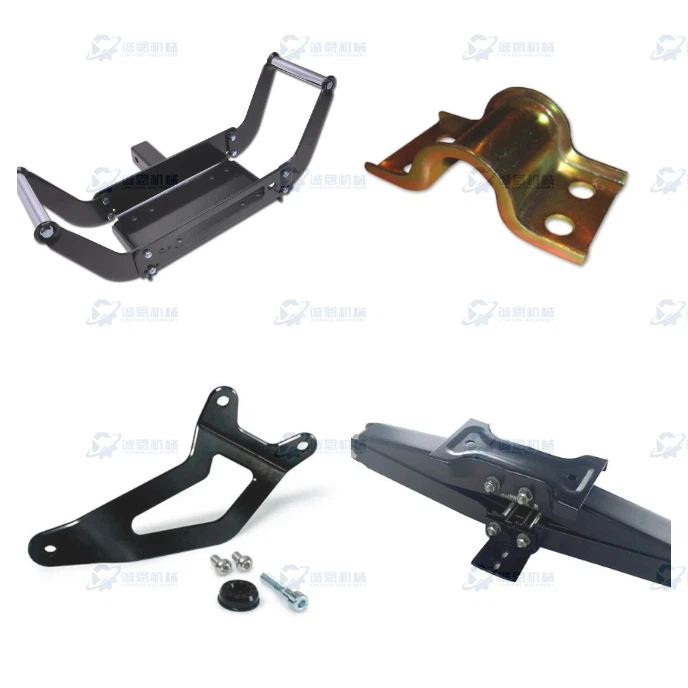
We provide a wide range of metal stamping parts, including Deep Drawing Metal Stamping Parts, Stainless Steel Punching Parts, and Metal Sheet Stamping Bending Parts. Our commitment to quality and burr control has earned us a good reputation in the industry.

Contact Us for Procurement
If you are in need of high-quality metal stamping parts with minimal burrs, we would be glad to assist you. Our team of experts can work with you to understand your specific requirements and provide customized solutions. Contact us today to start the procurement process and discuss how we can meet your needs.
References
- Kalpakjian, S., & Schmid, S. R. (2010). Manufacturing Engineering and Technology. Pearson.
- Dieter, G. E. (1986). Mechanical Metallurgy. McGraw-Hill.
- Groover, M. P. (2010). Fundamentals of Modern Manufacturing: Materials, Processes, and Systems. Wiley.