

Controlling the injection pressure in aluminum die casting is super crucial for getting high - quality parts. As an aluminum die - casting supplier, I've had my fair share of experiences dealing with this. In this blog, I'll share some tips on how to manage injection pressure effectively.
First off, let's understand why injection pressure matters. When we're doing aluminum die casting, the molten aluminum needs to fill the die cavity completely and quickly. The right injection pressure ensures that the metal flows smoothly into every nook and cranny of the die, creating parts with sharp details and no voids. If the pressure is too low, the aluminum might not fill the cavity properly, leading to incomplete parts. On the other hand, if it's too high, it can cause issues like flash (excess metal squeezing out of the die), die wear, and even damage to the casting equipment.

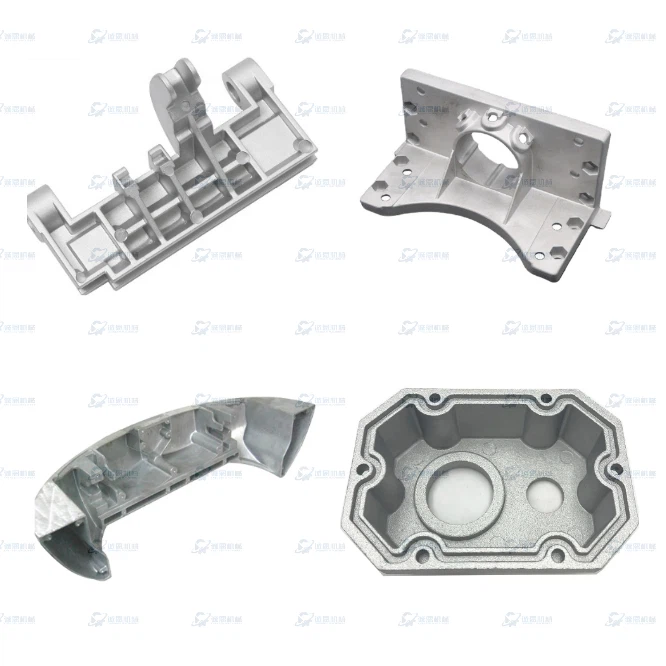
Factors Affecting Injection Pressure
There are several things that can influence the injection pressure. One of the main factors is the complexity of the part. Parts with thin walls, intricate shapes, or long flow paths require higher injection pressure. For example, Aluminum Die Casting for ATV Parts often have complex geometries. These parts need enough pressure to make sure the molten aluminum can reach all areas of the die.
The temperature of the molten aluminum also plays a big role. When the aluminum is at a higher temperature, it has lower viscosity, which means it flows more easily. So, we can use a relatively lower injection pressure. But if the temperature drops, the viscosity increases, and we'll need to crank up the pressure to get the aluminum to flow.
The type of aluminum alloy is another factor. Different alloys have different properties. For instance, A356 Aluminum Casting has its own set of characteristics that affect how it flows during the die - casting process. Some alloys might require more pressure due to their higher melting points or greater resistance to flow.
Measuring Injection Pressure
Before we can control the injection pressure, we need to measure it accurately. Most modern die - casting machines come with pressure sensors. These sensors are usually placed at strategic points in the injection system, like near the shot sleeve or the nozzle. They give us real - time data on the pressure, which is essential for making adjustments.
We can also use pressure - time curves. These curves show how the pressure changes over the course of the injection process. By analyzing these curves, we can spot any irregularities or issues. For example, if the pressure suddenly drops during injection, it could mean there's a blockage in the system or a problem with the die.
Controlling Injection Pressure
Now, let's talk about how we can actually control the injection pressure. One of the simplest ways is to adjust the hydraulic system of the die - casting machine. The hydraulic system is responsible for driving the plunger that injects the molten aluminum into the die. By changing the hydraulic pressure, we can directly affect the injection pressure.
We can also adjust the speed of the injection. A faster injection speed generally requires higher pressure. So, if we want to reduce the pressure, we can slow down the injection speed. However, we need to be careful not to slow it down too much, as this can lead to cold shuts (where the molten aluminum solidifies before filling the cavity completely).
The design of the die also has a significant impact on injection pressure. A well - designed die with proper gating and venting systems can help reduce the required injection pressure. The gates are the channels through which the molten aluminum enters the die cavity, and the vents allow the air to escape. If the gates are too small or the vents are blocked, the pressure will increase. So, we need to make sure the die is designed to promote smooth and efficient flow of the aluminum.
Monitoring and Adjusting
Controlling injection pressure isn't a one - time thing. We need to constantly monitor the process and make adjustments as needed. During production, we should regularly check the pressure sensors and the quality of the cast parts. If we notice any problems, like porosity or incomplete filling, we need to analyze the data and figure out what's causing the issue.
For example, if we're producing Precision Aluminum Die Casting Parts, even a small change in injection pressure can affect the dimensional accuracy of the parts. So, we need to be extra vigilant.
We can also use statistical process control (SPC) techniques. SPC involves collecting and analyzing data over time to identify trends and patterns. By using SPC, we can predict when the injection pressure might deviate from the optimal range and take preventive measures.
Troubleshooting Common Pressure - Related Issues
Sometimes, we might run into problems with injection pressure. One common issue is over - packing, which happens when the pressure is too high and too much aluminum is forced into the die. This can lead to parts that are difficult to eject from the die and can cause excessive wear on the die. To fix this, we need to reduce the injection pressure and the holding pressure.
Another issue is under - filling, where the die cavity isn't completely filled. This can be due to low injection pressure, a clogged gate, or a problem with the temperature of the aluminum. We need to increase the pressure, clean the gates, or adjust the temperature to solve this problem.
Conclusion
Controlling the injection pressure in aluminum die casting is a complex but essential part of the process. As an aluminum die - casting supplier, I know that getting it right can make a huge difference in the quality of the parts we produce. By understanding the factors that affect injection pressure, measuring it accurately, and using the right control techniques, we can ensure that our die - casting operations are efficient and produce high - quality parts.
If you're in the market for aluminum die - casting parts and want to learn more about how we control injection pressure to ensure the best quality, feel free to reach out. We're always happy to have a chat and discuss your specific needs.
References
- "Die Casting Handbook" by W. H. T. Whittaker
- "Aluminum Alloys: Structure and Properties" by David StJohn, Peter Grant, and Manfred Dargusch