

Hey there! As a supplier of metal stamping parts, I've dealt with all sorts of challenges in the industry. One common issue that often crops up is ensuring the roundness of holes in metal stamping parts. It might seem like a small detail, but it can have a big impact on the functionality and quality of the final product. In this blog, I'll share some tips and tricks on how to ensure the roundness of holes in metal stamping parts based on my experience.
Understanding the Importance of Hole Roundness
Before we dive into the solutions, let's first understand why hole roundness is so important. In many applications, the holes in metal stamping parts are used for assembly, alignment, or to allow the passage of other components. If the holes are not round, it can lead to problems such as poor fit, misalignment, and even premature failure of the part. For example, in automotive parts, non - round holes can cause issues with the installation of engine components, leading to vibrations and reduced performance.
Factors Affecting Hole Roundness
There are several factors that can affect the roundness of holes in metal stamping parts. Here are some of the main ones:
Tooling Design
The design of the stamping tool plays a crucial role in determining the roundness of the holes. If the punch and die are not properly designed or manufactured, it can result in non - round holes. For instance, if the punch is not perfectly centered in the die, it can cause the hole to be oval - shaped. Also, the wear and tear of the tooling over time can affect the hole roundness. As the punch and die get worn, the sharp edges can become dull, leading to irregular hole shapes.
Material Properties
The properties of the metal material used in stamping also have an impact on hole roundness. Different metals have different ductility, hardness, and grain structures. For example, materials with high hardness can be more difficult to punch, and may result in jagged or non - round holes. On the other hand, overly ductile materials can cause the metal to flow unevenly during the stamping process, affecting the hole shape.
Stamping Process Parameters
The stamping process parameters, such as punching speed, pressure, and clearance between the punch and die, can significantly affect hole roundness. If the punching speed is too high, it can cause the metal to deform unevenly, leading to non - round holes. Similarly, if the pressure is not evenly distributed or is too low, it may not be sufficient to cut through the metal cleanly, resulting in irregular hole shapes. The clearance between the punch and die is also critical. If the clearance is too large, the metal can be squeezed out around the hole, causing it to be non - round.
Solutions to Ensure Hole Roundness
Now that we've identified the factors affecting hole roundness, let's look at some solutions to ensure that the holes in your metal stamping parts are as round as possible.
Optimize Tooling Design
Invest in high - quality tooling design and manufacturing. Work with experienced toolmakers who can ensure that the punch and die are precisely machined and properly aligned. Regularly inspect and maintain the tooling to prevent wear and tear. You can also consider using advanced tooling materials that are more resistant to wear, such as carbide - tipped punches.
Select the Right Material
Choose the appropriate metal material based on the requirements of your application. Consider the material's hardness, ductility, and grain structure. If possible, conduct material testing before starting the stamping process to ensure that it will produce the desired hole roundness. For example, if you need high - precision holes, you might want to choose a material with a fine and uniform grain structure.
Fine - Tune Stamping Process Parameters
Experiment with different stamping process parameters to find the optimal settings for hole roundness. Start by adjusting the punching speed, pressure, and clearance between the punch and die. You can use a trial - and - error approach or employ advanced stamping simulation software to predict the effects of different parameters on hole roundness. Keep in mind that the optimal parameters may vary depending on the material and the complexity of the part.
Use Secondary Operations
In some cases, you may need to use secondary operations to improve the roundness of the holes. For example, you can use reaming or boring after the stamping process to refine the hole shape. Reaming is a process of removing a small amount of material from the inside of the hole to improve its roundness and surface finish. Boring, on the other hand, is used to enlarge and round holes in larger - diameter applications.
Real - World Examples
Let's take a look at some of our products and how we ensure hole roundness in them. We offer a wide range of metal stamping parts, including SUS304 Belt Adjustable Buckle, Metal Sheet Stamping Bending Parts, and Deep Drawing Metal Stamping Parts.
For our SUS304 Belt Adjustable Buckle, the holes need to be round to ensure a smooth adjustment of the belt. We use high - precision tooling and carefully control the stamping process parameters to achieve the required hole roundness. The same goes for our Metal Sheet Stamping Bending Parts, where the holes are used for assembly purposes. By optimizing the tooling design and process parameters, we can ensure that the holes are round and meet the strict quality standards of our customers.

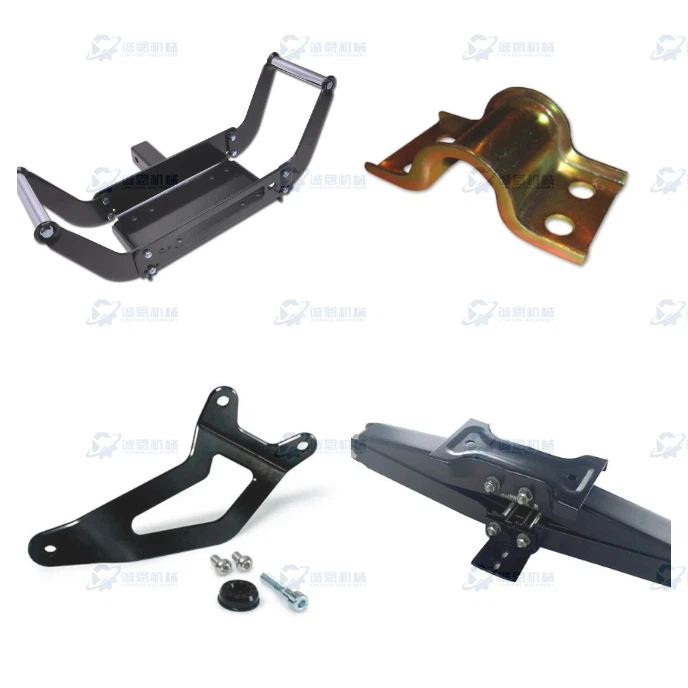
In the case of Deep Drawing Metal Stamping Parts, the deep - drawing process can sometimes affect the roundness of the holes. To counter this, we use a combination of secondary operations and precise process control. After the deep - drawing process, we perform reaming operations to improve the hole roundness and ensure that the parts are ready for use in various applications.
Conclusion
Ensuring the roundness of holes in metal stamping parts is a critical aspect of the manufacturing process. By understanding the factors that affect hole roundness and implementing the right solutions, you can produce high - quality metal stamping parts that meet the requirements of your customers. Whether it's through optimizing tooling design, selecting the right material, fine - tuning process parameters, or using secondary operations, there are several ways to achieve the desired hole roundness.
If you're in the market for metal stamping parts and are looking for a reliable supplier who can ensure the roundness of holes and other high - quality features, don't hesitate to get in touch with us. We're always happy to discuss your specific requirements and provide you with the best solutions for your projects.
References
- "Metal Stamping Handbook" - A comprehensive guide on metal stamping processes and techniques.
- Industry research papers on the effects of tooling and process parameters on hole quality in metal stamping.