

Hey there! As a supplier of Metal Stamping Parts, I've been in the game for quite a while, and I know how crucial it is to get the alignment right during production. Misaligned metal stamping parts can lead to all sorts of problems, from poor quality to increased production costs. So, in this blog, I'm gonna share some tips on how to improve the alignment of metal stamping parts during production.
Understanding the Basics of Metal Stamping Alignment
Before we dive into the tips, let's quickly go over what alignment means in the context of metal stamping. Alignment refers to the proper positioning of the metal sheet or strip within the stamping die. When the metal is correctly aligned, the stamping process can produce parts with the right dimensions, shape, and quality. On the other hand, misalignment can cause issues like uneven edges, incorrect hole positions, and even damage to the die.
1. Choose the Right Material
The type of metal material you use can have a big impact on alignment. Different metals have different properties, such as hardness, ductility, and thickness. For example, softer metals like aluminum are generally easier to stamp and align compared to harder metals like stainless steel. When selecting the material, make sure it's suitable for your specific stamping requirements. Also, check the material's flatness and surface quality. Any irregularities in the material can lead to alignment problems.
2. Invest in High - Quality Dies
A well - designed and high - quality stamping die is essential for proper alignment. The die should be precisely machined to ensure that the metal is stamped accurately. Look for dies that have features like guide pins and bushings. Guide pins help to position the metal sheet correctly within the die, while bushings provide a smooth and stable surface for the pins to move in. Regularly inspect and maintain your dies to prevent wear and tear, which can also affect alignment.
3. Use Proper Feeding Systems
The feeding system is responsible for moving the metal sheet or strip into the stamping die. A reliable feeding system can significantly improve alignment. There are different types of feeding systems available, such as roller feeds and servo feeds. Roller feeds are simple and cost - effective, but they may not be as accurate as servo feeds. Servo feeds offer more precise control over the feeding process, which is great for achieving better alignment, especially for complex stamping operations.
4. Set Up the Press Correctly
The stamping press is the heart of the metal stamping process, and its proper setup is crucial for alignment. First, make sure the press is level. An unlevel press can cause uneven pressure on the die, leading to misaligned parts. Adjust the press speed according to the material and the complexity of the stamping operation. A too - high speed can cause the metal to move erratically, while a too - low speed can be inefficient. Also, check the press's tonnage capacity. Using a press with insufficient tonnage can result in incomplete stamping and alignment issues.
5. Implement Quality Control Measures
Regular quality control checks are a must during the production process. Inspect the stamped parts at regular intervals to detect any alignment problems early on. You can use tools like calipers, micrometers, and coordinate measuring machines (CMMs) to measure the dimensions of the parts. If you notice any misaligned parts, stop the production process immediately and identify the root cause. It could be a problem with the material, the die, the feeding system, or the press setup.

6. Train Your Operators
Your operators play a vital role in ensuring proper alignment. Provide them with comprehensive training on the metal stamping process, including how to set up the press, use the feeding system, and maintain the dies. Make sure they understand the importance of alignment and how to detect and correct alignment issues. Encourage them to follow standard operating procedures (SOPs) to minimize human error.
7. Optimize the Stamping Process
Continuously look for ways to optimize the stamping process to improve alignment. For example, you can try different stamping sequences for complex parts. Sometimes, changing the order in which the features are stamped can lead to better alignment. Also, consider using lubricants during the stamping process. Lubricants can reduce friction between the metal and the die, which can help to prevent the metal from shifting and improve alignment.
8. Collaborate with Your Suppliers
If you're sourcing your materials or dies from external suppliers, build a good relationship with them. Communicate your alignment requirements clearly and work together to solve any problems. For example, if you're having issues with the flatness of the metal sheets, your material supplier may be able to provide better quality products or suggest ways to improve the material handling process.
Examples of Our Products
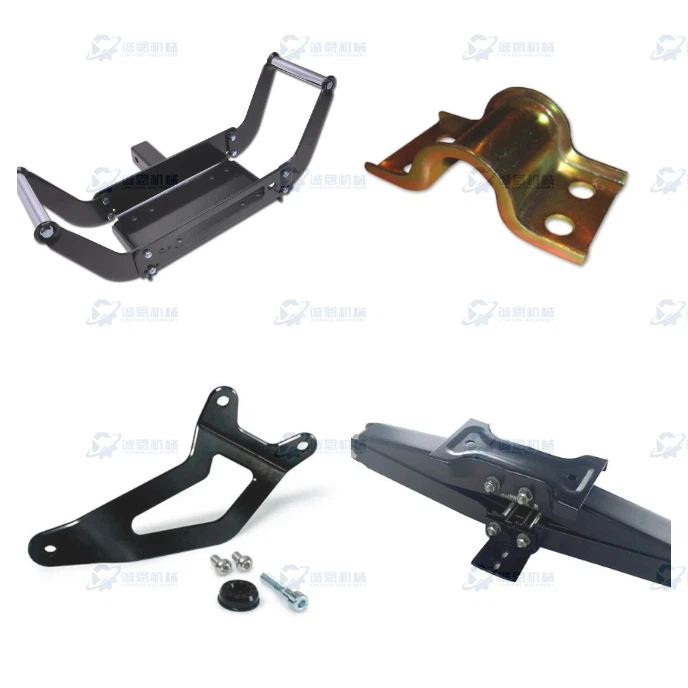
We offer a wide range of high - quality metal stamping parts, including Deep Drawing Metal Stamping Parts, Metal Sheet Stamping Bending Parts, and Precision Metal Stamping Parts. All of these products are manufactured with a focus on proper alignment to ensure the best quality.
Conclusion
Improving the alignment of metal stamping parts during production is a multi - faceted process that involves choosing the right materials, using high - quality dies, setting up the press correctly, and implementing quality control measures. By following these tips, you can reduce the number of misaligned parts, improve the overall quality of your products, and increase production efficiency.
If you're in the market for high - quality metal stamping parts, we'd love to have a chat with you. Whether you have a small - scale project or a large - scale production requirement, we're here to help. Feel free to reach out to us for more information and to discuss your specific needs.
References
- "Metal Stamping Handbook" by John Doe
- "Advanced Manufacturing Processes" by Jane Smith
- Industry research reports on metal stamping technology