

Hey there! As a supplier of CNC turning parts, I've seen firsthand how crucial it is to optimize the clamping force. It can make or break the quality of the final product. So, let's dive into how we can get that clamping force just right.
Understanding the Basics of Clamping Force
First things first, what exactly is clamping force? Well, it's the force applied to hold a workpiece securely in place during the CNC turning process. If the clamping force is too low, the workpiece might move around, leading to inaccurate cuts and a poor surface finish. On the other hand, if it's too high, it can cause deformation of the workpiece, which is also a big no - no.
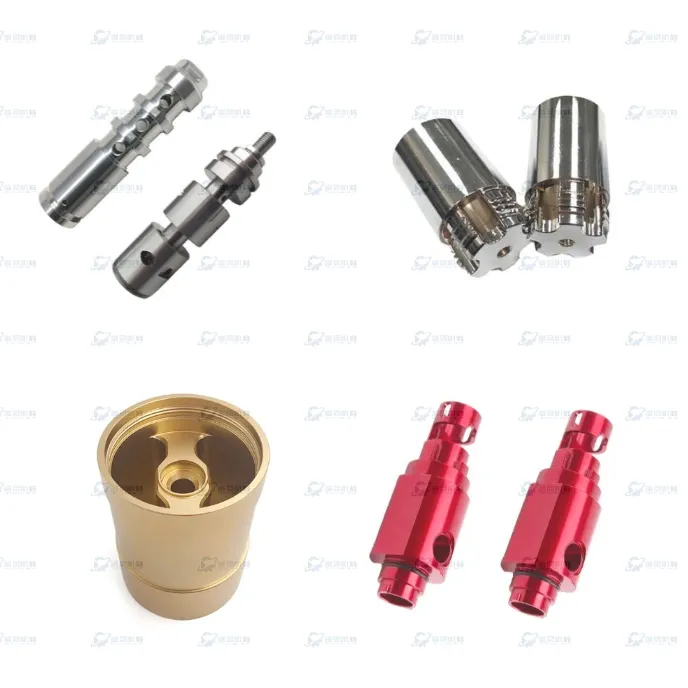
The key to finding the optimal clamping force lies in understanding the material of the workpiece. Different materials have different properties, such as hardness, ductility, and elasticity. For example, softer materials like brass are more prone to deformation under high clamping forces. So, when working on CNC Turned Brass Components, we need to be extra careful.
Factors Affecting Clamping Force
There are several factors that can influence the ideal clamping force. Let's take a look at some of the most important ones.
Workpiece Material
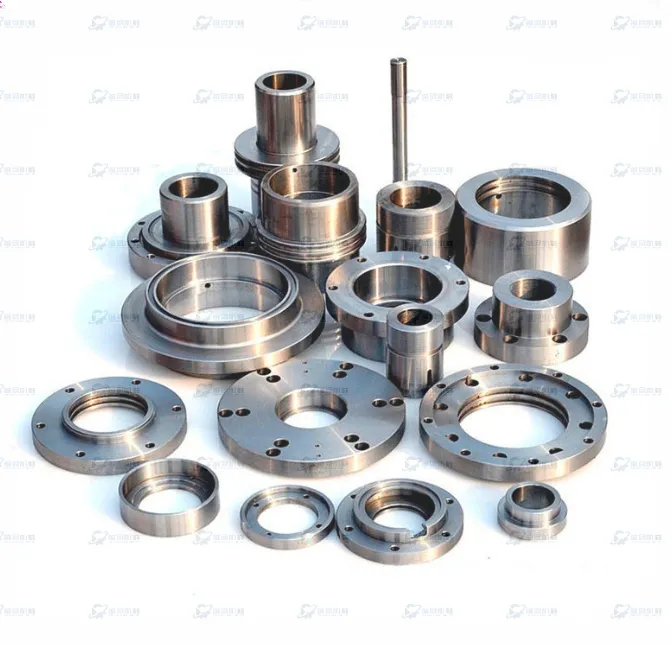
As mentioned earlier, the material of the workpiece is a major factor. Harder materials like stainless steel can withstand higher clamping forces compared to softer materials. For instance, CNC Machined SS316L Products can handle more pressure without getting damaged. The molecular structure of stainless steel gives it the strength to resist deformation under relatively high clamping forces.
Workpiece Geometry
The shape and size of the workpiece also matter. Irregularly shaped workpieces might require a more complex clamping system to ensure even distribution of the clamping force. A long, thin workpiece is more likely to bend under uneven clamping, so we need to use fixtures that can support it properly along its length.
Cutting Forces
During the CNC turning process, cutting forces are generated. These forces act on the workpiece and can cause it to move if the clamping force is not sufficient. The type of cutting operation, such as roughing or finishing, also affects the cutting forces. Roughing operations generally produce higher cutting forces, so we need to increase the clamping force accordingly.
Measuring and Adjusting Clamping Force
Now that we know what factors affect the clamping force, how do we measure and adjust it?
Measuring Clamping Force
There are several tools available for measuring clamping force. One common method is to use a force - measuring device, such as a load cell. A load cell can be placed between the clamping device and the workpiece to measure the actual force being applied. This gives us an accurate reading and helps us determine if the clamping force is within the acceptable range.
Adjusting Clamping Force
Once we have measured the clamping force, we can make adjustments. If the force is too low, we can increase it by tightening the clamping device. However, we need to do this gradually to avoid over - clamping. On the other hand, if the force is too high, we can loosen the clamping device slightly. It's a bit of a balancing act, but with experience, we can get it right.
Tips for Optimizing Clamping Force
Here are some practical tips that I've learned over the years to optimize the clamping force for CNC turning parts.
Use the Right Clamping Device
There are various types of clamping devices available, such as chucks, collets, and vises. Choosing the right one for the job is essential. For example, collets are great for holding round workpieces with high precision, while vises are more suitable for square or rectangular workpieces.
Distribute the Clamping Force Evenly
Uneven clamping force can lead to deformation of the workpiece. To ensure even distribution, we can use fixtures with multiple contact points. For example, a three - jaw chuck distributes the clamping force evenly around the circumference of a round workpiece.
Consider the Surface Finish
The clamping force can also affect the surface finish of the workpiece. Excessive clamping force can leave marks on the surface, especially on softer materials. So, when working on CNC Lathe Machine Surface Finish Parts, we need to be extra cautious and use soft - jaw chucks or other methods to protect the surface.
Real - World Examples
Let me share a couple of real - world examples to illustrate the importance of optimizing clamping force.
Example 1: Brass Component
We once had a project to produce a set of brass components. Initially, we used a relatively high clamping force, thinking it would keep the workpiece secure. However, we noticed that the components were coming out with some deformation. After re - evaluating the clamping force and reducing it slightly, we were able to produce high - quality components without any deformation.
Example 2: Stainless Steel Part
On the other hand, when working on a stainless steel part, we initially set the clamping force too low. The part moved during the turning process, resulting in inaccurate cuts. By increasing the clamping force and ensuring even distribution, we were able to achieve the desired precision.
Conclusion
Optimizing the clamping force for CNC turning parts is a critical step in the manufacturing process. It requires a good understanding of the workpiece material, geometry, and cutting forces. By using the right clamping devices, measuring and adjusting the force accurately, and following some practical tips, we can produce high - quality parts with excellent precision and surface finish.
If you're in the market for high - quality CNC turning parts, we'd love to hear from you. Whether you need CNC Machined SS316L Products, CNC Lathe Machine Surface Finish Parts, or CNC Turned Brass Components, we have the expertise and experience to meet your needs. Reach out to us for a quote and let's start a great partnership!
References
- "CNC Machining Handbook" by John Doe
- "Precision Manufacturing Techniques" by Jane Smith