

As a seasoned supplier in the aluminum die casting industry, I understand the critical role that well - trained operators play in ensuring high - quality production. Effective training for aluminum die casting operators is not only about teaching them the basic skills but also about instilling a comprehensive understanding of the entire process, safety protocols, and quality control measures. In this blog, I'll share some insights on how to provide such effective training.
Understanding the Basics of Aluminum Die Casting
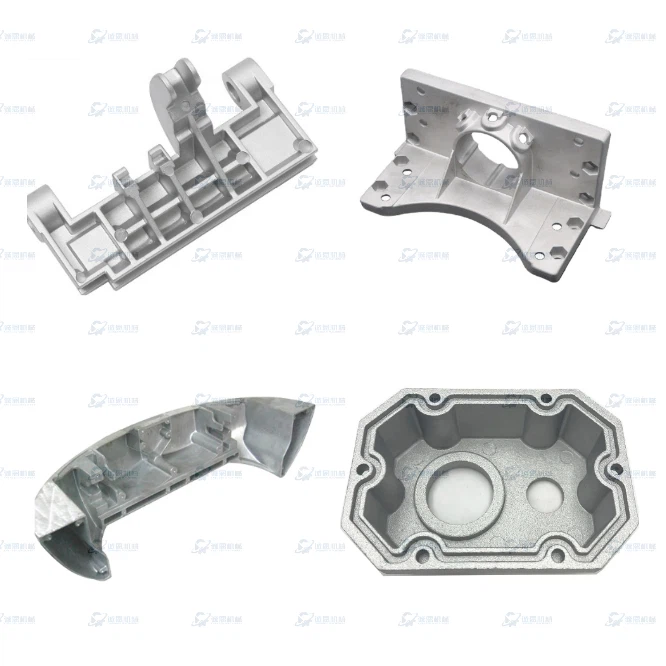
Before diving into the training process, it's essential for operators to have a solid grasp of the fundamentals of aluminum die casting. Aluminum die casting is a manufacturing process in which molten aluminum is forced into a mold cavity under high pressure. The resulting parts are used in a wide range of industries, from automotive to electronics. For instance, Die Casting Parts for LED Lights and Aluminum Die Casting for ATV Parts are two common applications that require high - precision die - cast components.
The training should start with an overview of the different types of aluminum alloys used in die casting, such as A356 Aluminum Casting. Operators need to understand the properties of each alloy, including its melting point, fluidity, and mechanical strength. This knowledge will help them make informed decisions during the casting process, such as adjusting the temperature and pressure settings.
Hands - on Training
One of the most effective ways to train aluminum die casting operators is through hands - on experience. Theory alone is not enough; operators need to get their hands dirty and learn by doing. Start with simple tasks, such as setting up the die - casting machine and preparing the mold. As they gain confidence, gradually introduce more complex operations, like adjusting the injection speed and pressure.
During hands - on training, it's crucial to provide immediate feedback. Point out both the good practices and areas that need improvement. Encourage operators to ask questions and experiment with different techniques. For example, they can try different mold release agents to see which one works best for a particular alloy.
Safety Training
Safety should always be a top priority in any manufacturing environment, and aluminum die casting is no exception. The training program should include comprehensive safety training that covers all aspects of the die - casting process. This includes wearing appropriate personal protective equipment (PPE), such as heat - resistant gloves, safety glasses, and protective clothing.
Operators need to learn how to handle molten aluminum safely. They should be trained on the proper use of ladles and other tools for transferring the molten metal. In addition, they need to understand the potential hazards associated with the die - casting machine, such as high - pressure hydraulic systems and hot surfaces. Regular safety drills should be conducted to ensure that operators know how to respond in case of an emergency.
Quality Control Training
Quality control is another critical aspect of aluminum die casting. Operators need to be able to identify and correct any defects in the cast parts. The training should cover the different types of defects that can occur in die - cast parts, such as porosity, shrinkage, and cold shuts.
Teach operators how to use inspection tools, such as calipers, micrometers, and coordinate measuring machines (CMMs). They should also learn how to interpret the inspection results and take appropriate corrective actions. For example, if a part has excessive porosity, the operator may need to adjust the injection speed or the venting system.
Continuous Learning and Improvement
The aluminum die casting industry is constantly evolving, with new technologies and materials emerging all the time. Therefore, training should not be a one - time event. Operators should be encouraged to engage in continuous learning and improvement.
Provide opportunities for operators to attend industry seminars and workshops. This will allow them to stay up - to - date with the latest trends and best practices in aluminum die casting. In addition, establish a system for sharing knowledge and experiences within the company. For example, operators can participate in regular team meetings where they can discuss any challenges they have faced and share solutions.
Training Documentation
Proper documentation is essential for effective training. Create detailed training manuals that cover all aspects of the die - casting process, from machine operation to quality control. These manuals should be easy to understand and should include step - by - step instructions, diagrams, and photographs.
In addition to the training manuals, keep records of each operator's training progress. This will help you track their development and identify any areas where additional training may be required.
Teamwork and Communication Training
Aluminum die casting is a team - based process. Operators need to work closely with other departments, such as engineering, maintenance, and quality control. Therefore, training should also include teamwork and communication skills.
Teach operators how to communicate effectively with their colleagues. They should be able to share information about the casting process, report any issues promptly, and work together to solve problems. Team - building activities can also be organized to improve the overall teamwork and collaboration within the department.
Advanced Training
Once operators have mastered the basic skills, they can be provided with advanced training. This may include training on advanced die - casting techniques, such as vacuum die casting or squeeze casting. Advanced training can also cover topics like mold design and optimization.
Advanced training will not only enhance the operators' skills but also make them more valuable to the company. It can also help the company stay competitive in the market by enabling it to produce high - quality, complex die - cast parts.

Conclusion
Providing effective training for aluminum die casting operators is a multi - faceted process that requires a combination of theoretical knowledge, hands - on experience, safety training, quality control training, and continuous learning. By investing in comprehensive training programs, companies can ensure that their operators are well - equipped to produce high - quality die - cast parts efficiently and safely.
If you are interested in our aluminum die - casting services or have any questions about our training programs, we welcome you to contact us for procurement discussions. We are committed to providing the best solutions for your die - casting needs.
References
- "Aluminum Die Casting Handbook" by John Doe
- "Safety in Manufacturing Processes" by Jane Smith
- Industry reports on aluminum die casting trends and best practices.