

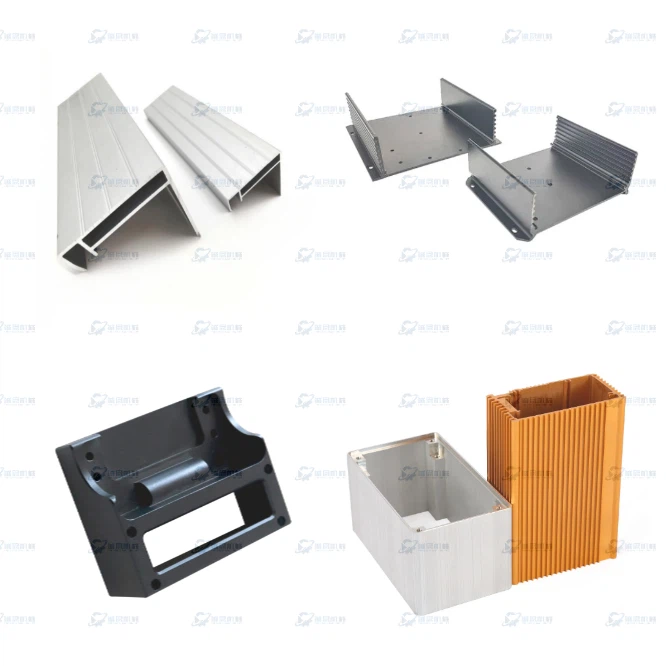
Aluminum extrusion parts are widely used in various industries due to their lightweight, corrosion resistance, and high strength-to-weight ratio. However, these parts can sometimes get damaged during handling, installation, or normal use. As a leading supplier of Anodized Aluminum Extrusion Parts, Aluminum Alloy Extrusion Hardware Fittings, and Aluminum Alloy Extrusion Precision Accessories, I understand the importance of being able to repair these damaged parts effectively. In this blog post, I will share some practical steps and techniques on how to repair damaged aluminum extrusion parts.
Step 1: Assess the Damage
The first step in repairing damaged aluminum extrusion parts is to assess the extent and type of damage. Common types of damage include scratches, dents, cracks, and corrosion. Scratches are usually superficial and can often be repaired without much hassle. Dents can vary in severity, from minor depressions to more significant deformations. Cracks are more serious and may require more complex repair methods, especially if they compromise the structural integrity of the part. Corrosion can also weaken the part and needs to be addressed promptly.
To assess the damage, carefully inspect the part under good lighting. Use a magnifying glass if necessary to examine small cracks or scratches. Measure the depth and length of dents and cracks to determine the appropriate repair approach.
Step 2: Gather the Necessary Tools and Materials
Once you have assessed the damage, gather the tools and materials you will need for the repair. The specific tools and materials will depend on the type of damage. Here are some common items you may need:
- For Scratches: Fine-grit sandpaper (e.g., 220, 400, and 600 grit), aluminum polish, clean cloths.
- For Dents: A rubber mallet, a block of wood, a heat gun (for more stubborn dents).
- For Cracks: Epoxy resin or aluminum welding equipment (if you have the necessary skills and equipment), a wire brush, sandpaper.
- For Corrosion: A wire brush, a rust remover solution, a neutralizing agent, primer, and paint (if the part needs to be repainted).
Make sure you have all the tools and materials on hand before you start the repair process.
Step 3: Repairing Scratches
If the damage is a scratch, start by cleaning the area around the scratch with a mild detergent and water. Dry the area thoroughly with a clean cloth. Then, use the fine-grit sandpaper to sand the scratch. Start with the 220-grit sandpaper and sand the scratch in a circular motion. Gradually move to the 400-grit and then the 600-grit sandpaper to smooth out the surface.
After sanding, apply aluminum polish to the area using a clean cloth. Rub the polish in a circular motion until the scratch is less visible and the surface has a smooth finish. Wipe off any excess polish with a clean cloth.
Step 4: Repairing Dents
For minor dents, you can try using a rubber mallet and a block of wood. Place the block of wood on the inside of the extrusion part, directly behind the dent. Then, gently tap the outside of the dent with the rubber mallet. Work from the edges of the dent towards the center, gradually pushing the dent out.
If the dent is more stubborn, you can use a heat gun to heat the area around the dent. The heat will make the aluminum more malleable. Be careful not to overheat the aluminum, as this can cause damage. After heating, use the rubber mallet and block of wood to reshape the dent as described above.
Step 5: Repairing Cracks
Repairing cracks in aluminum extrusion parts can be more challenging. If the crack is small, you can use epoxy resin to fill the crack. First, clean the area around the crack with a wire brush to remove any dirt or debris. Then, mix the epoxy resin according to the manufacturer's instructions. Apply the epoxy resin to the crack using a putty knife or a similar tool. Make sure the crack is completely filled.
If the crack is larger or if the part requires a more permanent repair, you may need to use aluminum welding. Welding aluminum requires specialized skills and equipment, so if you are not experienced in welding, it is advisable to seek the help of a professional welder.
Step 6: Repairing Corrosion
To repair corrosion, start by using a wire brush to remove the loose rust and corrosion from the surface of the part. Then, apply a rust remover solution to the affected area. Follow the instructions on the rust remover product carefully. After the rust has been removed, rinse the area with water and dry it thoroughly.
Next, apply a neutralizing agent to the area to prevent further corrosion. Once the neutralizing agent has dried, apply a primer to the area. After the primer has dried, you can paint the part to match the original finish.

Step 7: Finishing Touches
After completing the repair, inspect the part again to ensure that the repair is satisfactory. If necessary, make any additional adjustments or refinements. Clean the part with a mild detergent and water to remove any residue from the repair process.
If the part has a protective coating, such as anodizing, you may need to have the part re-anodized to restore its corrosion resistance and appearance. This is usually best done by a professional anodizing service.
Conclusion
Repairing damaged aluminum extrusion parts can save you time and money compared to replacing the entire part. By following the steps outlined in this blog post, you can effectively repair common types of damage to aluminum extrusion parts. However, if you are unsure about the repair process or if the damage is severe, it is always advisable to seek the help of a professional.
As a supplier of high-quality aluminum extrusion parts, we are committed to providing our customers with the best products and support. If you have any questions about repairing aluminum extrusion parts or if you are interested in purchasing our products, please feel free to contact us for more information and to discuss your specific needs. We look forward to working with you to meet your aluminum extrusion part requirements.
References
- "Aluminum Extrusion Handbook" - A comprehensive guide on aluminum extrusion technology and applications.
- Manufacturer's manuals for the tools and materials used in the repair process.