

As a seasoned supplier in the aluminum die casting industry, I've witnessed firsthand the critical role that quality management systems play in ensuring the production of high - quality aluminum die - cast parts. In this blog, I'll delve into the common quality management systems employed in aluminum die casting and explain how they contribute to the overall success of the manufacturing process.
ISO 9001:2015
ISO 9001:2015 is one of the most widely recognized quality management systems across various industries, including aluminum die casting. This standard focuses on a customer - centric approach, emphasizing the importance of meeting customer requirements and enhancing customer satisfaction.
In the context of aluminum die casting, ISO 9001:2015 requires suppliers to establish a comprehensive quality management system that covers all aspects of the production process. This includes raw material procurement, production planning, manufacturing operations, and final product inspection. For instance, when sourcing aluminum alloys for die casting, suppliers must ensure that the materials meet the specified quality standards. This involves conducting incoming inspections, verifying material certificates, and performing chemical and physical tests if necessary.
During the production phase, ISO 9001:2015 mandates the implementation of process controls to ensure consistency and repeatability. This may involve setting up quality checkpoints at different stages of the die - casting process, such as mold design, melting, injection, and finishing. By closely monitoring these processes, suppliers can identify and address any potential quality issues before they become major problems.
Moreover, ISO 9001:2015 requires suppliers to maintain detailed records of all quality - related activities. These records serve as evidence of compliance with the standard and can be used for internal audits, management reviews, and customer inquiries. For example, production logs, inspection reports, and corrective action records are essential documents that demonstrate the supplier's commitment to quality.
IATF 16949:2016
For aluminum die - casting suppliers serving the automotive industry, IATF 16949:2016 is a must - have quality management system. This standard is specifically designed for the automotive supply chain and builds on the requirements of ISO 9001:2015.
IATF 16949:2016 places a strong emphasis on product safety, reliability, and continuous improvement. In the automotive industry, the quality of aluminum die - cast parts can have a direct impact on vehicle performance and safety. Therefore, suppliers must adhere to strict quality requirements and ensure that their products meet the highest standards.
One of the key features of IATF 16949:2016 is the implementation of advanced product quality planning (APQP). APQP is a structured approach that involves cross - functional teams working together to plan and develop new products. In the case of aluminum die casting, APQP includes activities such as product design review, process failure mode and effects analysis (PFMEA), and production part approval process (PPAP).
PFMEA is a proactive tool used to identify potential failure modes in the die - casting process and develop appropriate mitigation strategies. By analyzing the possible causes and effects of failures, suppliers can take preventive actions to reduce the risk of defects. PPAP, on the other hand, is a formal process that requires suppliers to submit detailed documentation to the customer for approval before starting mass production. This documentation includes product samples, inspection results, process flow diagrams, and control plans.
AS9100D
For suppliers in the aerospace and defense industries, AS9100D is the go - to quality management system. This standard is based on ISO 9001:2015 and includes additional requirements specific to the aerospace sector.
In the aerospace industry, the quality and reliability of aluminum die - cast parts are of utmost importance. These parts are often used in critical applications where failure can have catastrophic consequences. Therefore, AS9100D places a heavy emphasis on risk management, configuration management, and traceability.
Risk management in AS9100D involves identifying and assessing potential risks associated with the die - casting process, such as material defects, manufacturing variations, and environmental factors. Suppliers must develop risk mitigation plans to address these risks and ensure the safety and reliability of their products.
Configuration management is another critical aspect of AS9100D. It requires suppliers to establish and maintain a clear record of all product configurations, including design changes, material substitutions, and manufacturing processes. This ensures that the final product meets the original design specifications and that any changes are properly documented and approved.
Traceability is also a key requirement of AS9100D. Suppliers must be able to track the origin of raw materials, the manufacturing history of each part, and the distribution of finished products. This allows for quick identification and recall of defective parts in case of a quality issue.
Lean Manufacturing Principles
In addition to formal quality management systems, many aluminum die - casting suppliers also adopt lean manufacturing principles to improve quality and efficiency. Lean manufacturing is a philosophy that focuses on eliminating waste and maximizing value for the customer.
One of the key concepts in lean manufacturing is the identification and elimination of non - value - added activities. In the die - casting process, non - value - added activities may include excessive setup times, unnecessary material handling, and rework due to defects. By streamlining these processes, suppliers can reduce costs, improve productivity, and enhance product quality.
Another important aspect of lean manufacturing is the implementation of continuous improvement. This involves regularly reviewing and analyzing the production process to identify areas for improvement. Suppliers can use tools such as Kaizen events, Six Sigma, and value stream mapping to drive continuous improvement initiatives.
For example, Kaizen events are short - term improvement projects that involve cross - functional teams working together to solve specific problems. Six Sigma, on the other hand, is a data - driven approach that aims to reduce process variation and improve quality by eliminating defects. Value stream mapping is a visual tool used to analyze the flow of materials and information in the production process and identify opportunities for improvement.
Our Commitment to Quality
As an aluminum die - casting supplier, we are committed to implementing and maintaining these quality management systems to ensure the highest level of product quality. We understand that our customers rely on us to provide them with precision - engineered aluminum die - cast parts that meet their specific requirements.
We offer a wide range of Precision Aluminum Die Casting Parts that are suitable for various applications. Whether you need parts for automotive, aerospace, or general industrial use, we have the expertise and capabilities to deliver high - quality products.
In addition, we also specialize in Die Casting Parts for LED Lights. Our die - cast parts for LED lights are designed to provide excellent heat dissipation and mechanical strength, ensuring the long - term performance and reliability of your lighting products.
We also have extensive experience in A356 Aluminum Casting. A356 is a popular aluminum alloy known for its good casting properties, high strength - to - weight ratio, and excellent corrosion resistance. Our A356 aluminum castings are widely used in automotive, aerospace, and marine applications.
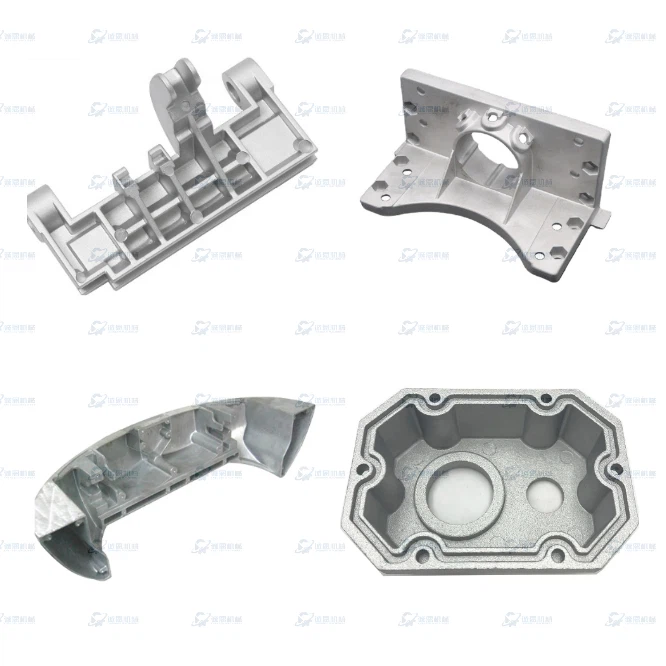

If you are in the market for high - quality aluminum die - cast parts, we invite you to contact us for a consultation. Our team of experts will work closely with you to understand your requirements and provide you with the best solutions. We look forward to the opportunity to serve you and contribute to the success of your projects.
References
- ISO 9001:2015 Quality management systems — Requirements
- IATF 16949:2016 Quality management systems — Particular requirements for the application of ISO 9001:2015 for automotive production and relevant service part organizations
- AS9100D Quality management systems — Requirements for aviation, space and defense organizations
- Lean Manufacturing: The Definitive Guide to World - Class Manufacturing Strategies, by David Meier