

As a seasoned supplier of metal stamping parts, I've witnessed firsthand the critical role corrosion resistance plays in the performance and longevity of these components. In various industries, from automotive to electronics, the ability of metal stamping parts to withstand corrosion is not just a desirable feature but a necessity. This blog will delve into the corrosion - resistance properties of metal stamping parts, exploring the factors that influence them and the methods to enhance them.
Understanding Corrosion in Metal Stamping Parts
Corrosion is a natural process that occurs when metals react with their environment. In the case of metal stamping parts, this reaction can lead to a degradation of the part's physical and mechanical properties, ultimately reducing its functionality and lifespan. Oxidation, which is a common form of corrosion, happens when metals like iron and steel react with oxygen in the presence of moisture. This results in the formation of rust, a flaky and porous substance that weakens the metal.
Another type of corrosion is galvanic corrosion, which occurs when two different metals are in contact with each other in the presence of an electrolyte. The more active metal corrodes preferentially, sacrificing itself to protect the less active metal. This can be a significant issue in metal stamping parts that are made from multiple metals or are used in environments where they come into contact with different metals.
Factors Affecting Corrosion Resistance
Material Selection
The choice of material is one of the most important factors in determining the corrosion resistance of metal stamping parts. Stainless steel is a popular choice due to its excellent corrosion - resistant properties. It contains chromium, which forms a thin, passive oxide layer on the surface of the metal. This layer acts as a barrier, preventing oxygen and moisture from reaching the metal beneath and thus inhibiting corrosion. For example, our Stainless Steel Punching Parts are made from high - quality stainless steel grades that offer superior corrosion resistance in a wide range of environments.
Aluminum is another metal commonly used in metal stamping. It forms a natural oxide layer when exposed to air, which provides some degree of corrosion protection. However, this layer can be damaged, and in harsh environments, additional surface treatments may be required to enhance its corrosion resistance.

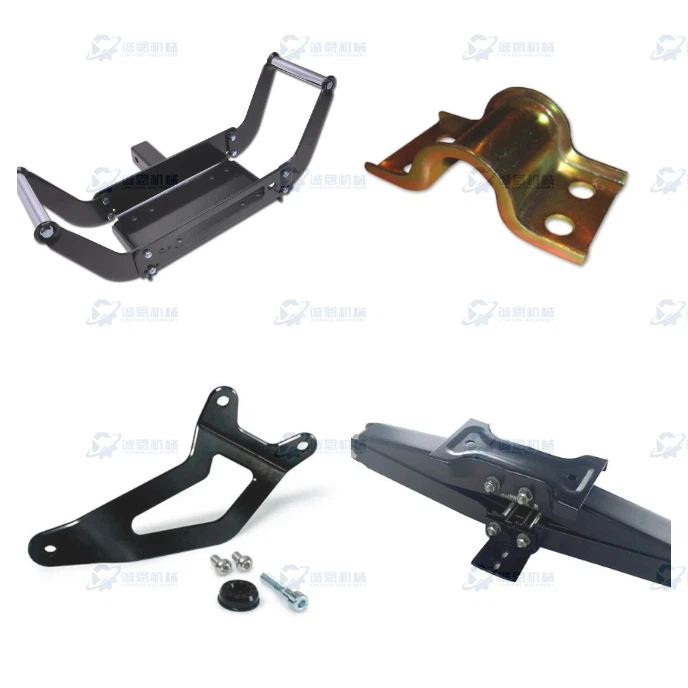
Surface Finish
The surface finish of metal stamping parts also has a significant impact on their corrosion resistance. A smooth surface finish reduces the area available for corrosion to occur and makes it easier to clean the part, removing any contaminants that could accelerate corrosion. Polishing, plating, and coating are common surface finishing techniques used to improve corrosion resistance.
Plating involves depositing a thin layer of a corrosion - resistant metal, such as zinc or nickel, on the surface of the metal stamping part. This provides an additional barrier against corrosion. Coating, on the other hand, can be organic or inorganic. Organic coatings, such as paint, provide a physical barrier between the metal and the environment, while inorganic coatings, like ceramic coatings, can offer high - temperature and chemical resistance.
Design Considerations
The design of metal stamping parts can influence their corrosion resistance. Sharp corners and crevices can trap moisture and contaminants, promoting corrosion. Designing parts with smooth curves and avoiding areas where water can collect can help reduce the risk of corrosion. Additionally, proper drainage holes can be incorporated into the design to allow water to escape.
Enhancing Corrosion Resistance
Alloying
Alloying is a process of adding other elements to a base metal to improve its properties. In the context of corrosion resistance, alloying can be used to create metals that are more resistant to corrosion. For example, adding nickel to stainless steel can enhance its resistance to pitting and crevice corrosion, especially in chloride - containing environments.
Surface Treatments
As mentioned earlier, surface treatments are an effective way to enhance the corrosion resistance of metal stamping parts. Anodizing is a common surface treatment for aluminum parts. It thickens the natural oxide layer on the aluminum surface, providing better corrosion protection. Passivation is another treatment used for stainless steel parts. It removes free iron from the surface of the stainless steel, improving its passive oxide layer and enhancing corrosion resistance.
Case Study: SUS304 Belt Adjustable Buckle
Our SUS304 Belt Adjustable Buckle is a prime example of a metal stamping part with excellent corrosion - resistance properties. Made from SUS304 stainless steel, this buckle is highly resistant to rust and corrosion, even in humid environments. The smooth surface finish of the buckle not only gives it an aesthetically pleasing appearance but also helps prevent the accumulation of dirt and moisture, further reducing the risk of corrosion.
Deep Drawing Metal Stamping Parts and Corrosion Resistance
Deep Drawing Metal Stamping Parts are often used in applications where a high - strength and corrosion - resistant component is required. During the deep - drawing process, the metal is subjected to high stresses, which can potentially affect its corrosion resistance. However, by carefully selecting the material and applying appropriate surface treatments, we can ensure that these parts maintain their corrosion - resistant properties.
For example, when deep - drawing stainless steel parts, it is important to use a lubricant that does not leave behind any residues that could promote corrosion. After the deep - drawing process, the parts can be passivated to enhance their corrosion resistance.
Conclusion
In conclusion, the corrosion - resistance properties of metal stamping parts are crucial for their performance and longevity. By carefully considering factors such as material selection, surface finish, and design, and by applying appropriate methods to enhance corrosion resistance, we can produce metal stamping parts that meet the demanding requirements of various industries.
If you are in need of high - quality metal stamping parts with excellent corrosion - resistance properties, we are here to help. Our team of experts can work with you to select the right materials and manufacturing processes to ensure that your parts meet your specific needs. Contact us today to start a conversation about your metal stamping requirements.
References
- Fontana, M. G. (1986). Corrosion Engineering. McGraw - Hill.
- Uhlig, H. H., & Revie, R. W. (1985). Corrosion and Corrosion Control: An Introduction to Corrosion Science and Engineering. Wiley.