

Hey there! As a supplier of metal furniture accessories, I've spent a ton of time getting to know different types of metals used in these products. One question that often pops up is about the differences between wrought iron and other metal furniture accessories. So, let's dive right in and explore what sets wrought iron apart from the rest.
Wrought Iron: A Classic with Character
First off, let's talk about wrought iron. It's got a long - standing reputation in the world of furniture accessories. Wrought iron has been around for ages, and it's known for its distinct look and feel. The manufacturing process of wrought iron involves heating and shaping the metal. This gives it a unique grainy texture that you just can't find in other metals.
One of the biggest draws of wrought iron is its strength. It's super durable, which makes it perfect for furniture accessories that need to withstand a lot of wear and tear. Think about things like chair legs or table frames. Wrought iron can handle the weight and stress without bending or breaking easily.
Another great thing about wrought iron is its aesthetic appeal. It has a rustic, old - world charm that can add a touch of elegance to any piece of furniture. Whether it's a Victorian - style coffee table or a simple bench, wrought iron accessories can give the furniture a timeless look.
Comparing with Stainless Steel
Now, let's compare wrought iron with stainless steel. Stainless steel is another popular choice for metal furniture accessories. One of the main advantages of stainless steel is its resistance to corrosion. Unlike wrought iron, which can rust over time if not properly maintained, stainless steel can withstand moisture and humidity without getting damaged. This makes it a great option for outdoor furniture or furniture in areas with high humidity, like bathrooms.

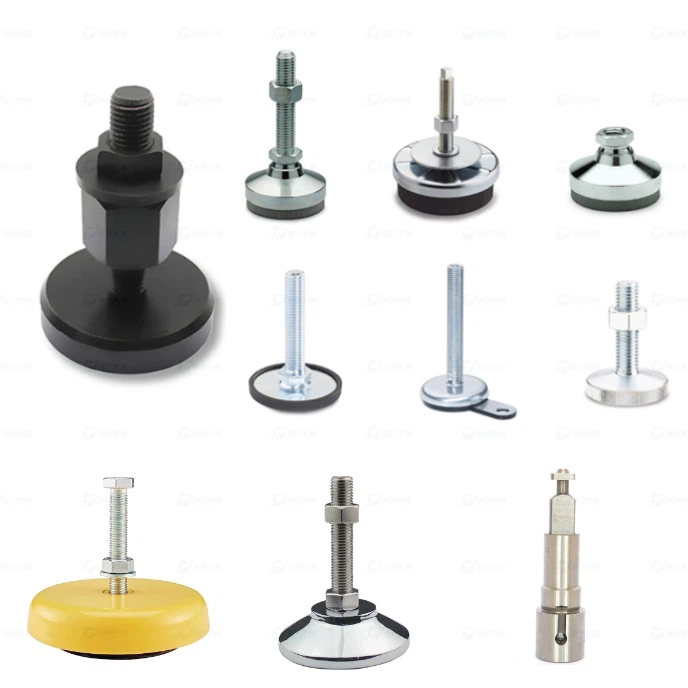
Stainless steel also has a modern, sleek appearance. It gives furniture a contemporary look that's very different from the rustic charm of wrought iron. If you're going for a minimalist or industrial - style design, stainless steel accessories like Stainless Steel Nylon Base Leveling Feet are a great choice. They're not only functional but also add a stylish touch to the furniture.
In terms of strength, stainless steel is also quite strong. However, the way it feels and behaves under stress is different from wrought iron. Stainless steel is more flexible in some ways, which can be an advantage in certain applications. For example, it can be used to create curved or complex shapes more easily than wrought iron.
Comparing with Aluminum
Aluminum is another metal commonly used in furniture accessories. One of the biggest advantages of aluminum is its light weight. Compared to wrought iron, which is relatively heavy, aluminum is much easier to handle and move around. This is especially important for furniture that needs to be rearranged frequently, like patio furniture.
Aluminum is also resistant to corrosion, similar to stainless steel. It doesn't rust, and it can withstand outdoor elements well. However, its strength is not on par with wrought iron. Aluminum is more prone to denting and bending under heavy loads. So, it's better suited for lighter - duty furniture or accessories that don't need to support a lot of weight.
In terms of appearance, aluminum has a smooth, shiny finish. It can give furniture a clean, modern look. But again, it lacks the rustic charm of wrought iron. If you're looking for a lightweight, low - maintenance option with a contemporary aesthetic, aluminum accessories might be the way to go.
Comparing with Brass
Brass is a metal alloy made of copper and zinc. It has a warm, golden color that gives furniture a luxurious look. Unlike wrought iron, brass has a more refined and opulent appearance. It's often used in high - end furniture or decorative pieces.
Brass is also quite durable, but it has different maintenance requirements compared to wrought iron. It can tarnish over time, and it needs to be polished regularly to keep its shine. However, this tarnishing can also add to its charm, giving it an antique look.
In terms of strength, brass is relatively strong but not as strong as wrought iron. It's more suitable for decorative accents rather than structural elements. For example, brass knobs or handles can add a touch of elegance to a cabinet or a drawer, but you wouldn't use brass for a heavy - duty table leg.
Adjustable Leveling Elements
When it comes to functionality, adjustable leveling elements are an important consideration for furniture. Both wrought iron and other metals can be used to make these elements. For instance, Adjustable Metal Leveling Feet and Adjustable Leveling Elements are available in different metals.
Wrought iron leveling feet can provide a sturdy base for furniture. Their strength ensures that the furniture stays stable, even on uneven surfaces. However, stainless steel or aluminum leveling elements might be a better choice for outdoor furniture or furniture in humid environments because of their corrosion resistance.
Making the Right Choice
So, how do you decide which metal furniture accessory is right for you? Well, it depends on a few factors. First, think about the style of your furniture. If you want a classic, rustic look, wrought iron is a great option. If you're going for a modern, minimalist design, stainless steel, aluminum, or brass might be more suitable.
Next, consider the environment where the furniture will be placed. If it's outdoors or in a humid area, you'll want to choose a metal that's resistant to corrosion, like stainless steel or aluminum. And if the furniture needs to support a lot of weight, wrought iron or stainless steel would be better choices.
Finally, think about maintenance. Wrought iron requires regular maintenance to prevent rusting, while stainless steel and aluminum are relatively low - maintenance. Brass needs polishing to keep its shine.
As a supplier of metal furniture accessories, I've seen firsthand how different metals can transform a piece of furniture. Whether you're a furniture manufacturer, a designer, or just someone looking to spruce up your home, choosing the right metal accessory is crucial.
If you're interested in learning more about our metal furniture accessories or have any questions about which metal is right for your project, don't hesitate to reach out. We're here to help you make the best choice for your needs. Let's start a conversation and see how we can work together to create amazing furniture pieces!
References
- "Metals in Furniture Design" - A guidebook on different metals used in furniture manufacturing.
- "Furniture Accessories: Function and Aesthetics" - A research paper exploring the role of accessories in furniture design.