

Fire-rating standards for lock components are critical considerations in the construction and safety industries. As a trusted supplier of lock components, we understand the significance of these standards and are committed to providing high-quality products that meet or exceed them.
Understanding Fire-Rating Standards
Fire-rating standards are established to measure the ability of a building material or component to resist the spread of fire and smoke for a specified period. These standards are essential for ensuring the safety of occupants in a building during a fire event. They are typically expressed in terms of time, such as 30 minutes, 60 minutes, or 90 minutes, indicating how long the component can maintain its integrity and functionality under fire conditions.
The determination of fire ratings involves rigorous testing procedures. Lock components are tested in accordance with specific national and international standards. For example, in the United States, the most common standard for fire-rated doors and their components is UL 10C, which measures the positive pressure fire resistance of a fire door assembly. The test involves subjecting the door with its installed lock components to a controlled fire for a specified duration while monitoring factors such as temperature rise, integrity of the assembly, and passage of flames.
In Europe, standards like EN 1634 are used. These standards set out comprehensive requirements for fire resistance, smoke leakage, and thermal insulation of building elements, including lock components. The tests are designed to simulate real - world fire scenarios as closely as possible, ensuring that the products used in buildings can perform under actual fire conditions.
Fire - Rating Requirements for Different Types of Lock Components
Cylinder Locks
Cylinder locks are one of the most common types of locks used in residential and commercial buildings. For fire - rated applications, cylinder locks must be able to maintain their locking function throughout the rated fire exposure. This means that the internal components, such as the pins and springs, should not be affected by the high temperatures to the point where the lock can be easily disengaged.
Some fire - rated cylinder locks are designed with special heat - resistant materials or coatings. For instance, the cylinders may be made of brass or stainless steel, which have relatively high melting points and can withstand the heat for the required time. Additionally, they are often sealed to prevent the ingress of smoke and flames, which could potentially damage the internal mechanism.
Mortise Locks
Mortise locks are more complex and often used in commercial and high - security applications. In fire - rated scenarios, these locks need to ensure that they do not compromise the integrity of the fire door. The lock box, which is recessed into the door, must be able to withstand the heat and pressure of the fire.
The bolts of mortise locks also play a crucial role. They should remain firmly engaged with the strike plate during the fire, preventing the door from opening prematurely. Some fire - rated mortise locks are equipped with additional features, such as fire - resistant gaskets around the lock box, to enhance the fire - stopping capabilities of the door.
Sliding Door Lock Components
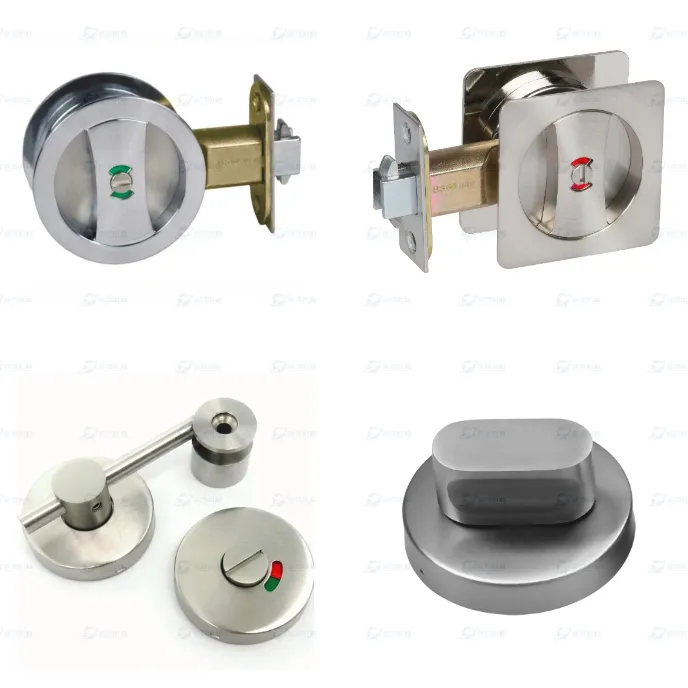
Sliding doors are common in many buildings, and their lock components also need to meet fire - rating standards. Sliding Door Lock Components must be designed to ensure that the sliding door remains closed and sealed during a fire. This may involve features such as positive locking mechanisms that are not easily disengaged by heat or pressure.
The tracks and rollers of the sliding door, which are part of the overall lock system, also need to be fire - resistant. They should not warp or fail under high temperatures, as this could cause the door to jam or open, allowing the spread of fire and smoke.
Stainless Steel Thumb Turn Lock and Fire - Rating
Stainless Steel Thumb Turn Lock is a popular choice for many applications, especially in areas where ease of use is important. In fire - rated situations, the stainless steel construction provides several advantages. Stainless steel has good heat - resistant properties and does not corrode easily, which is crucial in a high - temperature and potentially humid fire environment.
The thumb turn mechanism should also be designed to function properly even under fire conditions. It should not become too hot to touch, preventing its operation, and should not break or malfunction due to the heat. A well - designed stainless steel thumb turn lock can contribute to the overall fire - stopping performance of a door.
Top Pivot Hinge Components and Fire - Rating
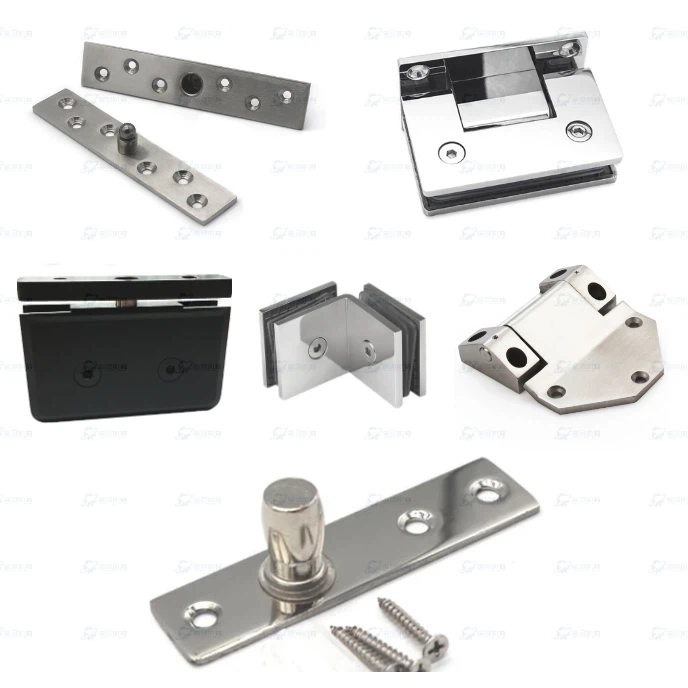
Hinges are an often - overlooked but vital part of a fire - rated door system. Top Pivot Hinge Components need to support the weight of the door and allow it to swing properly during normal use. In a fire, they must maintain their structural integrity.
The pivot points of the hinge should not fail under the heat, as this could cause the door to fall out of alignment or even detach from the frame. Fire - rated top pivot hinges are often made of high - strength materials and may have special heat - treating processes to enhance their fire resistance. Additionally, they are designed to prevent the spread of heat and smoke through the hinge area, contributing to the overall performance of the fire - rated door assembly.
Why Compliance with Fire - Rating Standards Matters
Compliance with fire - rating standards is not only a legal requirement in many areas but also a moral obligation. In the event of a fire, properly rated lock components can help contain the fire to a specific area, giving occupants more time to evacuate safely. They can also prevent the spread of fire and smoke to other parts of the building, reducing property damage and the risk of injury.
For building owners and developers, using fire - rated lock components can also lead to lower insurance premiums. Insurance companies recognize the added safety provided by these components and are more likely to offer favorable rates to properties that meet fire - safety standards.
Meeting Your Fire - Rated Lock Component Needs
As a leading supplier of lock components, we are committed to providing products that meet the highest fire - rating standards. Our team of experts is constantly researching and developing new products to ensure that we stay ahead of industry requirements. We source our materials from trusted suppliers and use advanced manufacturing processes to produce high - quality lock components.
We offer a wide range of fire - rated lock components, including cylinder locks, mortise locks, sliding door lock components, stainless steel thumb turn locks, and top pivot hinge components. Whether you are working on a residential project, a commercial building, or an industrial facility, we have the right products to meet your needs.
If you are in the market for fire - rated lock components, we invite you to contact us for more information. Our sales team is ready to assist you in selecting the appropriate products for your specific application. We can provide detailed product specifications, technical support, and pricing information to help you make an informed decision.
Conclusion
Fire - rating standards for lock components are an essential part of building safety. Understanding these standards and using compliant products is crucial for protecting lives and property in the event of a fire. As a reliable lock component supplier, we are dedicated to providing high - quality, fire - rated products that meet the diverse needs of our customers. Contact us today to discuss your fire - rated lock component requirements and start a successful partnership.
References
- Underwriters Laboratories (UL). UL 10C: Standard for Positive Pressure Fire Tests of Door Assemblies.
- European Committee for Standardization (CEN). EN 1634: Fire resistance and smoke control tests for door and shutter assemblies, openable windows, and elements of building hardware.