

Hey there! As a supplier of Aluminum Extrusion Parts, I often get asked about the magnetic properties of these parts. Today, I'm gonna dive deep into this topic and share some cool insights with you all.
Let's start with the basics. Aluminum is a non - ferromagnetic material, which means it doesn't have strong magnetic properties like iron or nickel. Ferromagnetic materials have a large, positive magnetic susceptibility, and they can be magnetized and attracted to a magnet. But aluminum is different. Its magnetic susceptibility is very weak, and it's classified as a paramagnetic material.
When it comes to aluminum extrusion parts, the same principle applies. These parts, made from aluminum through the extrusion process, inherit the non - ferromagnetic nature of aluminum. Paramagnetism is a type of magnetism where materials are weakly attracted to an external magnetic field. The reason behind this weak attraction is the presence of unpaired electrons in the atomic orbitals of aluminum atoms. When an external magnetic field is applied, these unpaired electrons align themselves with the field, creating a weak magnetic moment.
However, this paramagnetic effect is extremely feeble. For example, if you take a normal-sized aluminum extrusion part and bring a regular magnet close to it, you won't notice any significant attraction. The force of attraction is so small that it's almost negligible in most practical applications.
Now, let's talk about the factors that can influence the magnetic properties of aluminum extrusion parts. One of the main factors is the alloy composition. Aluminum is often alloyed with other elements like copper, magnesium, silicon, and zinc to improve its mechanical properties such as strength, hardness, and corrosion resistance. Different alloying elements can have different effects on the magnetic properties of the aluminum extrusion parts.
Take the 6061 Aluminum Extrusion Profile Parts for example. 6061 is a very popular aluminum alloy, primarily alloyed with magnesium and silicon. It's widely used in various industries due to its good balance of strength, corrosion resistance, and workability. Although the alloying elements do introduce some minor changes to the electronic structure of aluminum, the overall magnetic properties remain largely non - ferromagnetic. The 6061 alloy is still paramagnetic, and the weak magnetic response is similar to that of pure aluminum.
Another important aspect is the heat treatment process. Heat treatment can alter the microstructure of aluminum extrusion parts, which in turn can have a small impact on their magnetic properties. For instance, solution heat treatment followed by quenching and aging can change the distribution of alloying elements within the aluminum matrix. This can affect the number of unpaired electrons and the way they interact with an external magnetic field. But again, the changes in magnetic properties are usually very small and don't turn the parts into strongly magnetic materials.
The surface finish of aluminum extrusion parts can also have a minor influence. For example, Anodized Aluminum Extrusion Parts have a protective oxide layer on the surface. This layer is non - magnetic, and it doesn't change the underlying magnetic properties of the aluminum. However, in some cases, the anodizing process can introduce small amounts of impurities or change the surface roughness, which might have a very slight impact on the interaction between the part and a magnetic field.
In practical applications, the non - ferromagnetic nature of aluminum extrusion parts is actually a big advantage. In industries such as electronics, aerospace, and telecommunications, magnetic interference can be a major problem. Aluminum extrusion parts are widely used in these fields because they don't interfere with magnetic signals or create unwanted electromagnetic fields. For example, in electronic enclosures made from aluminum extrusion parts, the non - magnetic property ensures that the internal electronic components can operate without being affected by external magnetic fields.
In the automotive industry, aluminum extrusion parts are used for various structural components. The non - magnetic nature of these parts helps in reducing the overall weight of the vehicle while also avoiding any potential magnetic interference with the vehicle's electrical systems.
Now, let's consider the Aluminum Alloy Extrusion Hardware Fittings. These fittings are commonly used in construction, furniture, and machinery. Their non - ferromagnetic property makes them suitable for applications where magnetic attraction is not desired. For example, in a modern furniture design, using aluminum alloy extrusion hardware fittings can prevent any unwanted sticking to magnetic objects and ensure smooth operation.
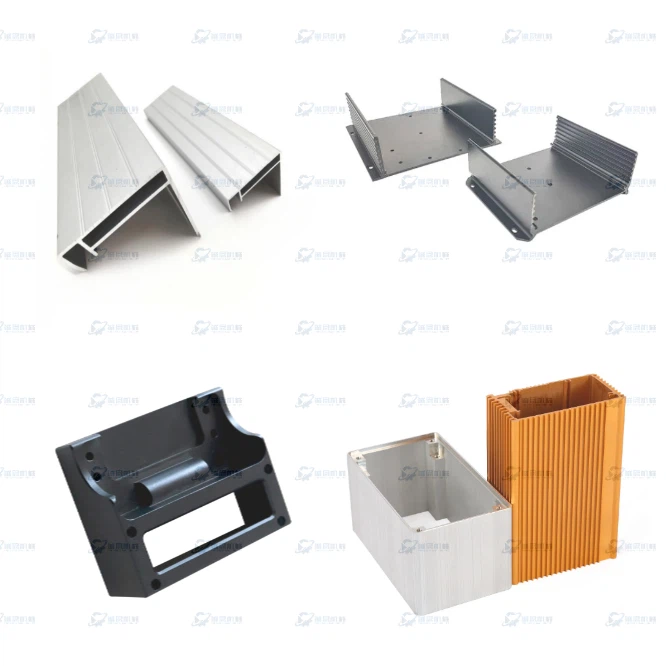
If you're in the market for high - quality aluminum extrusion parts, you've come to the right place. As a reliable supplier, we offer a wide range of products with consistent quality and excellent performance. Whether you need 6061 Aluminum Extrusion Profile Parts, Aluminum Alloy Extrusion Hardware Fittings, or Anodized Aluminum Extrusion Parts, we've got you covered.
Our team of experts is always ready to assist you in choosing the right product for your specific needs. If you have any questions about our products, their magnetic properties, or any other technical details, feel free to reach out to us. We're here to help you make the best decision for your project.
In conclusion, the magnetic properties of aluminum extrusion parts are mainly characterized by their non - ferromagnetic nature, with a weak paramagnetic response. This property makes them highly suitable for a wide range of applications where magnetic interference needs to be avoided. If you're interested in purchasing our aluminum extrusion parts, don't hesitate to contact us for a detailed discussion and procurement negotiation.
References

- "Aluminum: Properties and Physical Metallurgy" by J.E. Hatch
- "Modern Physical Metallurgy" by R.E. Smallman and R.J. Bishop