

Hey there! As a supplier of CNC turning parts, I've been in the game for quite a while. And let me tell you, secondary machining of these parts is a crucial step that can make or break the final product. So, I thought I'd share some of the key quality control points that we focus on here.
First off, let's talk about material inspection. Before we even start the secondary machining process, we make sure to thoroughly examine the raw materials. We check for any signs of defects, such as cracks, porosity, or inconsistent hardness. This is super important because any issues with the material can lead to problems down the line. For example, a crack in the material could cause the part to fail under stress. We use a variety of inspection methods, including visual inspection, ultrasonic testing, and hardness testing, to ensure the materials meet our quality standards.
Once we're satisfied with the materials, it's time to move on to the machining process itself. One of the most important quality control points here is dimensional accuracy. We use precision measuring tools, like calipers, micrometers, and coordinate measuring machines (CMMs), to ensure that the parts are machined to the exact specifications. Even the slightest deviation from the design can affect the functionality of the part. For instance, if a part is supposed to fit into another component, a small dimensional error could prevent a proper fit.
Surface finish is another critical aspect. A smooth surface finish not only improves the appearance of the part but also enhances its performance. Rough surfaces can cause friction, wear, and even corrosion. We use different machining techniques and tools to achieve the desired surface finish. For example, we might use a fine - grained cutting tool or perform a finishing pass to reduce surface roughness. After machining, we use surface roughness testers to measure the surface finish and make sure it meets the requirements.
Tolerance control is also a big deal. Tolerances define the allowable variation in dimensions and other characteristics of the part. We need to make sure that all our parts are within the specified tolerance limits. This requires careful programming of the CNC machines and constant monitoring during the machining process. If the tolerances are not met, the part may not work as intended or may not be compatible with other components.
Another quality control point is the inspection of the machining operations themselves. We check for things like tool wear, chip formation, and cutting forces. Tool wear can affect the dimensional accuracy and surface finish of the part. If a tool is worn out, it may produce parts that are out of spec. We monitor the tool wear regularly and replace the tools as needed. Chip formation is also an important indicator of the machining process. Proper chip formation helps to prevent built - up edge and improves the surface finish. Cutting forces can also give us an idea of how the machining is going. Excessive cutting forces can cause tool breakage and damage to the part.
Heat treatment is often a part of the secondary machining process for some CNC turning parts. During heat treatment, we need to control the temperature, time, and cooling rate precisely. Incorrect heat treatment can lead to changes in the material's properties, such as hardness, strength, and ductility. For example, if the heat treatment is not done correctly, the part may be too brittle or too soft. We use furnaces with precise temperature control and cooling systems to ensure that the heat treatment is carried out according to the specifications.
After the machining and heat treatment are completed, we perform a final inspection of the parts. This includes a comprehensive check of all the quality aspects we've discussed so far. We also check for any signs of damage or burrs that may have occurred during the handling of the parts. Any parts that do not meet our quality standards are either re - worked or scrapped.
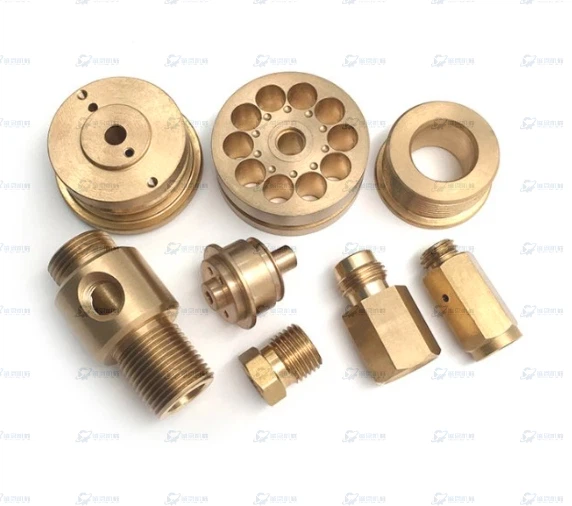
Now, let me tell you a bit about the products we offer. We have a wide range of CNC turning parts, including CNC Machined SS316L Products. These products are made from high - quality SS316L stainless steel and are known for their corrosion resistance and durability. We also have CNC Milling Machine Stainless Steel Parts, which are precision - machined to meet the most demanding applications. And if you're looking for brass components, our CNC Turned Brass Components are a great choice. They offer excellent electrical conductivity and are easy to machine.
If you're in the market for high - quality CNC turning parts, we'd love to hear from you. Whether you need a small batch for prototyping or a large - scale production run, we have the expertise and capabilities to meet your needs. Our strict quality control measures ensure that you'll get parts that are reliable and perform as expected. So, don't hesitate to reach out for a quote or to discuss your specific requirements.

References:
- "Modern Manufacturing Technology" by David A. Dornfeld
- "CNC Machining Handbook" by Mark J. Reha