

What are the security features required for lock components in high - security facilities?
In the realm of high - security facilities, the significance of robust lock components cannot be overstated. As a trusted supplier of lock components, I understand the critical role that these elements play in safeguarding valuable assets, sensitive information, and ensuring the safety of personnel. In this blog, I will delve into the essential security features required for lock components in high - security facilities.
1. Durable Materials
One of the fundamental aspects of high - security lock components is the use of durable materials. High - security facilities demand lock components that can withstand physical attacks, extreme weather conditions, and wear and tear over an extended period. For instance, Brushed Stainless Steel Escutcheons are an excellent choice. Stainless steel is known for its corrosion resistance, high strength, and aesthetic appeal. It can endure harsh environmental conditions without losing its structural integrity, making it ideal for both indoor and outdoor high - security applications.
Another example is the Stainless Steel Quarter Turn Lock. The use of stainless steel in this lock component ensures that it is not only resistant to rust and corrosion but also capable of withstanding significant force. This is crucial in high - security facilities where unauthorized entry attempts may involve brute - force methods.
2. Advanced Locking Mechanisms
High - security facilities require lock components with advanced locking mechanisms. Traditional pin - tumbler locks are no longer sufficient to deter sophisticated criminals. Instead, technologies such as electronic locks, biometric locks, and smart locks are becoming increasingly popular.
Electronic locks offer a high level of security as they can be programmed to allow access only to authorized personnel. They can also be integrated with access control systems, which provide detailed records of who enters and exits the facility at what time. Biometric locks, on the other hand, use unique physical characteristics such as fingerprints, iris patterns, or facial recognition to grant access. This provides an extra layer of security as biometric features are difficult to replicate.
Smart locks are another innovative solution for high - security facilities. They can be controlled remotely via a smartphone app, allowing facility managers to monitor and manage access in real - time. Smart locks can also send alerts in case of unauthorized access attempts, providing immediate notification to security personnel.
3. Anti - Tampering Features
Lock components in high - security facilities must be equipped with anti - tampering features. These features are designed to prevent unauthorized individuals from bypassing the lock or damaging it to gain entry. For example, some lock components are designed with hardened steel pins or cylinders that are resistant to drilling, picking, and bumping.
In addition, many high - security lock components have tamper - evident seals or indicators. These seals break or change color when the lock is tampered with, providing a clear sign of an attempted breach. This allows security personnel to take immediate action and investigate the incident.
4. Resistance to Environmental Factors
High - security facilities may be located in various environments, including areas with high humidity, extreme temperatures, or exposure to chemicals. Lock components must be able to withstand these environmental factors without compromising their security.
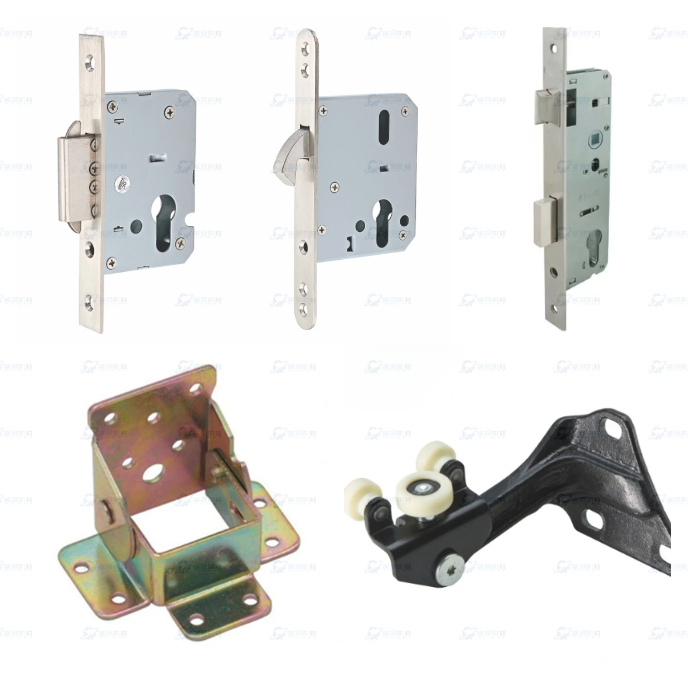

For example, in coastal areas where there is a high level of salt in the air, lock components made of materials such as stainless steel or brass are preferred due to their corrosion resistance. In areas with extreme temperatures, lock components must be designed to function properly in both hot and cold conditions. This may involve using materials with a wide temperature range and lubricants that can withstand temperature variations.
5. Compatibility with Access Control Systems
In high - security facilities, lock components need to be compatible with access control systems. Access control systems allow facility managers to manage and monitor access to different areas of the facility. Lock components that can be easily integrated with these systems provide a more comprehensive security solution.
For example, electronic locks can be connected to an access control system, which can be programmed to grant access based on specific criteria such as time of day, user permissions, or location. This allows for a more flexible and secure access management system.
6. High - Quality Installation and Maintenance
Even the most advanced lock components will not provide adequate security if they are not installed and maintained properly. High - security facilities require professional installation of lock components to ensure that they are installed correctly and function as intended.
Regular maintenance is also essential to keep lock components in good working condition. This includes lubricating moving parts, checking for signs of wear and tear, and replacing any damaged components. A well - maintained lock component is less likely to fail and provides a higher level of security.
7. Customization Options
High - security facilities often have unique security requirements. Therefore, lock components should offer customization options to meet these specific needs. For example, some facilities may require lock components with specific dimensions, colors, or finishes to match the overall design of the building.
As a lock component supplier, I understand the importance of customization. We offer a wide range of customization options for our Sliding Door Lock Components and other products. This allows us to provide tailored solutions for high - security facilities.
Conclusion
In conclusion, high - security facilities require lock components with a combination of durable materials, advanced locking mechanisms, anti - tampering features, resistance to environmental factors, compatibility with access control systems, high - quality installation and maintenance, and customization options. As a lock component supplier, I am committed to providing high - quality products that meet these security requirements.
If you are in charge of a high - security facility and are looking for reliable lock components, I encourage you to contact us for a consultation. We can help you select the most suitable lock components for your specific needs and provide professional installation and maintenance services. Let's work together to enhance the security of your facility.
References
- "Security Standards for High - Security Facilities", National Institute of Standards and Technology
- "Advanced Locking Technologies", Journal of Security Engineering
- "Materials for High - Performance Lock Components", International Journal of Materials Science