

Hey there! As a supplier of CNC turning parts, I often get asked about the different surface treatment options available. Surface treatment isn't just about making parts look good; it can also improve their performance, durability, and resistance to wear and tear. So, let's dive into the various surface treatment options for CNC turning parts.
Anodizing
Anodizing is a popular surface treatment method, especially for aluminum CNC turning parts. It involves creating an oxide layer on the surface of the metal through an electrochemical process. This oxide layer not only enhances the part's corrosion resistance but also gives it a nice, smooth finish.
The anodizing process can be adjusted to create different thicknesses of the oxide layer. Thicker layers offer better protection but may also affect the part's dimensional accuracy slightly. Anodized parts can come in a variety of colors, too, which makes them suitable for both functional and aesthetic applications. For example, if you're making a consumer product like a smartphone case or a laptop component, anodizing can give it a sleek and professional look. Check out our Laser Cutting Metal Parts page to see some examples of parts that could benefit from anodizing.
Electroplating
Electroplating is another well - known surface treatment. It involves depositing a thin layer of metal onto the surface of the CNC turning part. Common metals used for electroplating include nickel, chrome, and gold.
Nickel plating is great for improving corrosion resistance and wear resistance. It can also provide a hard, smooth surface that's easy to clean. Chrome plating, on the other hand, is often used for its decorative appeal. It gives parts a shiny, mirror - like finish that's very eye - catching. Gold plating is typically used in high - end or electronic applications, as it has excellent electrical conductivity and corrosion resistance.
However, electroplating does have some drawbacks. It can be an expensive process, especially when using precious metals like gold. Also, the waste generated during the electroplating process needs to be carefully managed to meet environmental regulations. We have some CNC Milling Machine Stainless Steel Parts that can be electroplated to enhance their properties.
Powder Coating
Powder coating is a dry finishing process where a fine powder is applied to the surface of the CNC turning part and then cured under heat. The powder adheres to the part and forms a durable, protective coating.
One of the main advantages of powder coating is its environmental friendliness. Unlike traditional liquid paints, powder coating doesn't contain solvents, which means there are fewer volatile organic compounds (VOCs) released into the atmosphere. It also offers excellent coverage and can hide minor surface imperfections.
Powder coating comes in a wide range of colors and finishes, from glossy to matte. It's commonly used in automotive, furniture, and industrial applications. For example, if you're making a set of industrial brackets or a piece of outdoor furniture, powder coating can provide a long - lasting and attractive finish.
Passivation
Passivation is a chemical treatment mainly used for stainless steel CNC turning parts. It involves removing free iron from the surface of the stainless steel and creating a passive oxide layer. This layer helps prevent corrosion and rusting, which is crucial for parts that will be exposed to harsh environments.
The passivation process typically involves immersing the part in a chemical solution, usually nitric acid or citric acid. After the treatment, the part is thoroughly rinsed to remove any remaining chemicals. Passivation doesn't change the appearance of the part significantly, but it can greatly extend its lifespan. Our CNC Machined SS316L Products are often passivated to ensure their quality and durability.
Heat Treatment
Heat treatment is a bit different from the other surface treatments mentioned above, as it affects the entire part rather than just the surface. However, it can still have a significant impact on the surface properties of CNC turning parts.
There are several types of heat treatment processes, such as annealing, quenching, and tempering. Annealing involves heating the part to a specific temperature and then slowly cooling it. This process softens the metal, relieves internal stresses, and improves its machinability. Quenching, on the other hand, involves rapid cooling after heating, which hardens the metal. Tempering is often done after quenching to reduce the brittleness and improve the toughness of the part.
Heat treatment can improve the wear resistance, hardness, and strength of the CNC turning parts. For example, if you're making a high - precision gear or a tool, heat treatment can ensure that it can withstand heavy loads and repeated use.
Painting
Painting is a simple and cost - effective way to protect and decorate CNC turning parts. There are different types of paints available, such as enamel, acrylic, and epoxy.
Enamel paints are known for their hard, durable finish. They're resistant to scratches, chemicals, and UV rays, making them suitable for outdoor applications. Acrylic paints are more flexible and have good color retention. They're often used for decorative purposes, as they can be applied in a wide range of colors. Epoxy paints offer excellent adhesion and corrosion resistance, which makes them ideal for parts that will be in contact with water or chemicals.
When painting CNC turning parts, it's important to prepare the surface properly. This may involve cleaning, sanding, and priming the part to ensure good paint adhesion.
Polishing
Polishing is a process that can be used to achieve a smooth, shiny surface on CNC turning parts. It can be done mechanically or chemically.
Mechanical polishing involves using abrasive materials like sandpaper or polishing wheels to remove surface irregularities and create a smooth finish. This method is often used for metals like aluminum, brass, and stainless steel. Chemical polishing, on the other hand, uses chemical solutions to dissolve the surface layer of the metal, resulting in a smooth and reflective surface.
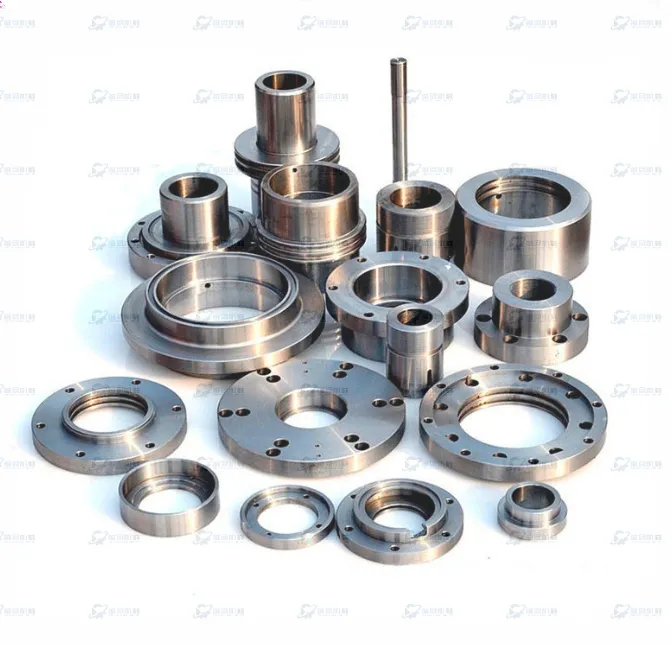

Polishing not only improves the appearance of the part but also reduces friction and makes the part easier to clean. It's commonly used in applications where aesthetics are important, such as jewelry, consumer electronics, and automotive trim.
Choosing the Right Surface Treatment
So, how do you choose the right surface treatment for your CNC turning parts? Well, it depends on several factors.
First, consider the function of the part. If it needs to be highly corrosion - resistant, then treatments like anodizing, electroplating, or passivation might be the best choice. If it's a high - wear application, heat treatment or a hard - coating surface treatment could be more suitable.
Second, think about the aesthetic requirements. If you want a shiny, decorative finish, electroplating, painting, or polishing could be options. If you're going for a more natural look, anodizing or leaving the part in its raw state might be better.
Cost is also an important factor. Some surface treatments, like electroplating with precious metals, can be quite expensive. On the other hand, painting and powder coating are generally more cost - effective.
Lastly, consider the environmental impact. Some processes, like electroplating, generate more waste and require more careful management. If environmental friendliness is a priority, powder coating or anodizing might be better options.
As a supplier of CNC turning parts, I'm here to help you make the right choice. Whether you need a small batch of custom - made parts or a large - scale production run, we can offer high - quality surface treatments to meet your needs. If you're interested in purchasing our CNC turning parts or want to discuss the surface treatment options further, feel free to reach out to start a procurement discussion.
References
- ASM Handbook Volume 5: Surface Engineering. ASM International.
- Metals Handbook: Properties and Selection: Nonferrous Alloys and Pure Metals. ASM International.
- Manufacturing Engineering and Technology. Serope Kalpakjian, Steven Schmid. Pearson.