

As a leading supplier of lock components, I often receive inquiries about the temperature limits of different lock parts. Understanding these limits is crucial for ensuring the proper functioning and longevity of locks in various environments. In this blog post, I'll delve into the temperature tolerances of different lock components, providing insights that can help you make informed decisions when selecting the right locks for your specific needs.
1. Semi Trailer Twist Lock
Semi Trailer Twist Locks are designed to secure containers on semi - trailers during transportation. These locks are exposed to a wide range of environmental conditions, including extreme temperatures.
The typical temperature range for a high - quality Semi Trailer Twist Lock is from - 40°F (- 40°C) to 140°F (60°C). At extremely low temperatures, the metal can become brittle. If the lock is subjected to sudden impacts or high stress in cold conditions, there is a risk of cracking. For example, in cold regions during winter, a semi - trailer traveling on a bumpy road may cause the twist lock to experience shock loads. If the temperature is well below freezing, the lock might not be able to withstand these forces as effectively as it would at normal temperatures.
On the other hand, at high temperatures, the metal can expand. This expansion can lead to issues such as the lock becoming difficult to operate or even jamming. In hot desert areas, where the ambient temperature can soar above 100°F (38°C), the expanded lock components may not fit together as precisely as they should, affecting the locking mechanism's reliability.
2. Stainless Steel Quarter Turn Lock
Stainless steel is a popular material for quarter - turn locks due to its corrosion resistance and durability. The Stainless Steel Quarter Turn Lock generally has a broader temperature tolerance compared to some other lock types.
These locks can typically operate within a temperature range of - 58°F (- 50°C) to 212°F (100°C). The low - temperature limit is quite impressive, making them suitable for use in cold storage facilities, refrigerated trucks, or even in polar research stations. The high - nickel and chromium content in stainless steel helps maintain its structural integrity at low temperatures, preventing it from becoming too brittle.
At high temperatures, stainless steel's ability to resist oxidation and maintain its strength is a significant advantage. However, if the temperature approaches the upper limit of its tolerance, the lock's internal components, such as the springs and tumblers, may start to lose their elasticity. This can result in a decrease in the lock's overall performance, such as a looser fit or a reduced ability to hold the locked position securely.
3. Top Pivot Hinge Components
Top pivot hinge components are essential parts of many locking systems, especially for doors and cabinets. The Top Pivot Hinge Components are often made of materials like brass, steel, or a combination of both.
For brass top pivot hinge components, the temperature range is usually from - 22°F (- 30°C) to 176°F (80°C). Brass is a relatively soft metal, and at low temperatures, it can lose some of its malleability. This can make the hinge more prone to breakage if it is subjected to excessive force, such as a heavy door slamming shut.

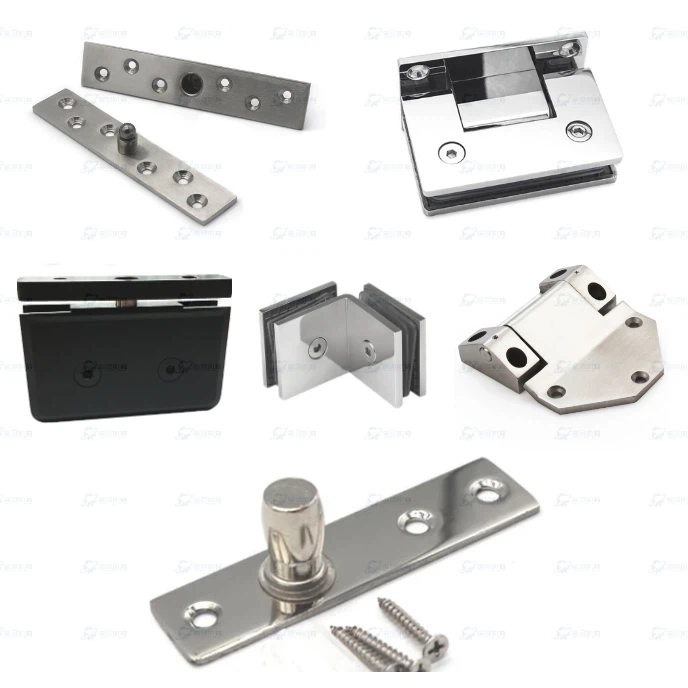
At high temperatures, brass can start to oxidize more rapidly. Oxidation can cause the hinge to become stiff and difficult to move, which can affect the smooth operation of the door or cabinet. If the hinge is exposed to high temperatures for an extended period, the metal may also experience a change in its crystal structure, leading to a loss of strength.
Steel top pivot hinge components, on the other hand, can generally tolerate a wider temperature range, similar to the stainless steel quarter - turn locks. They can typically operate from - 40°F (- 40°C) to 212°F (100°C). However, like all metals, steel will expand and contract with temperature changes, and proper installation and allowance for this expansion are necessary to ensure the hinge's long - term performance.
4. Factors Affecting Temperature Limits
Several factors can influence the actual temperature limits of lock components. One of the most significant factors is the quality of the materials used. High - grade metals with the right alloy compositions are more likely to have better temperature resistance. For example, a stainless steel with a higher percentage of molybdenum will have better corrosion resistance and may be able to withstand a wider temperature range.
The manufacturing process also plays a crucial role. Precision - made lock components are more likely to fit together correctly even when the metal expands or contracts due to temperature changes. Heat - treatment processes can also improve the metal's hardness and toughness, enhancing its ability to withstand extreme temperatures.
The presence of lubricants can also affect a lock's performance in different temperature conditions. At low temperatures, some lubricants can thicken or even solidify, making the lock difficult to operate. At high temperatures, lubricants can evaporate or break down, leading to increased friction and wear on the lock components.
5. Selecting the Right Lock Components Based on Temperature
When choosing lock components for a specific application, it's essential to consider the environmental temperature range. If you're in a cold climate, such as a northern region where winter temperatures can drop well below freezing, you'll want to select lock components with a low - temperature rating. For example, stainless steel quarter - turn locks would be a great choice for outdoor storage sheds or cold storage facilities.
In hot and humid environments, such as tropical regions, you need to focus on components that can resist corrosion and high - temperature expansion. Semi - trailer twist locks made of high - quality alloys with good heat - resistant properties are ideal for securing containers in these conditions.
If you're unsure about which lock components are best suited for your needs, our team of experts is here to help. We have extensive experience in providing lock solutions for a wide range of industries and environments.
6. Contact for Procurement
If you're interested in purchasing high - quality lock components that can withstand the temperature conditions of your specific application, we invite you to reach out to us. We offer a comprehensive range of lock components, including the ones mentioned above, and can provide customized solutions based on your requirements. Whether you need a small quantity for a DIY project or a large - scale order for an industrial application, we are committed to delivering products that meet the highest standards of quality and performance.
References
- ASM Handbook Volume 2: Properties and Selection: Nonferrous Alloys and Special - Purpose Materials
- Metals Handbook Desk Edition, Third Edition
- "Temperature Effects on Metal Alloys" - Journal of Materials Science and Engineering