

Hey there! As a supplier of bathroom accessories, I've seen firsthand the importance of creating a handicapped-friendly bathroom. It's not just about meeting accessibility standards; it's about ensuring that everyone, regardless of their physical abilities, can use the bathroom safely and comfortably. In this blog, I'll share some essential bathroom accessories that are a must-have for a handicapped-friendly bathroom.
Grab Bars
Let's start with grab bars. These are probably the most crucial accessories for a handicapped-friendly bathroom. Grab bars provide support and stability, helping people with limited mobility to move around the bathroom safely. They can be installed next to the toilet, in the shower, or near the bathtub.
When choosing grab bars, it's important to select ones that are sturdy and can support the weight of the user. They should be securely installed into the wall studs to ensure maximum safety. You can find grab bars in various styles, finishes, and lengths to match the decor of your bathroom. For example, there are straight grab bars, angled grab bars, and even foldable grab bars that can be tucked away when not in use.
Roll-In Showers
Roll-in showers are another essential feature for a handicapped-friendly bathroom. Unlike traditional showers with a high threshold, roll-in showers have a low or no threshold, making it easy for wheelchair users to enter and exit the shower. They also provide enough space for a wheelchair to maneuver inside the shower.
To make the roll-in shower more accessible, you can install a handheld showerhead. This allows the user to control the direction and flow of the water easily. Additionally, a shower bench can be installed inside the shower, providing a place for the user to sit while bathing.
Raised Toilets
Raised toilets are designed to make it easier for people with limited mobility to sit down and stand up from the toilet. They are typically 17 to 19 inches high, which is higher than a standard toilet. This extra height reduces the amount of bending and straining required, making it more comfortable for the user.
Some raised toilets come with built-in armrests, which provide additional support. You can also install toilet seat risers on existing toilets to achieve a similar effect. These risers are easy to install and can be removed if needed.
Wall Mounted Toilet Paper Metal Holder
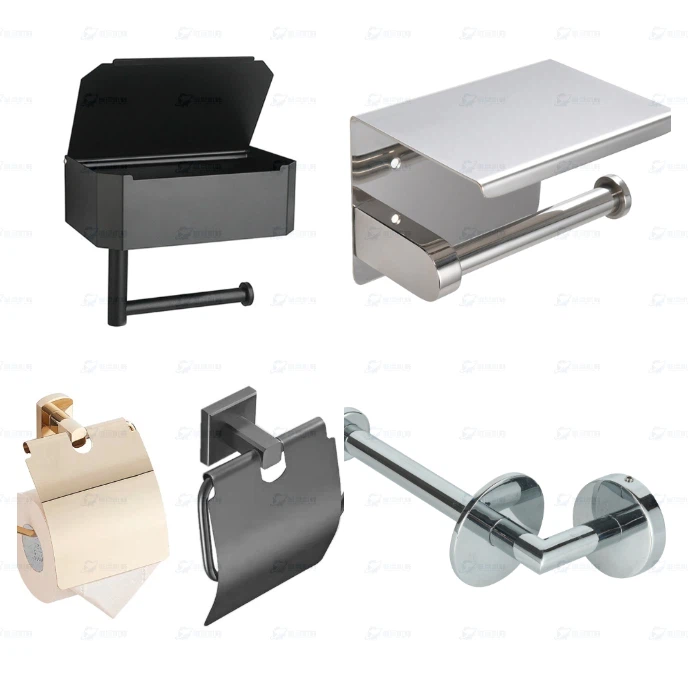
A wall-mounted toilet paper metal holder is an essential accessory for any bathroom, especially a handicapped-friendly one. It keeps the toilet paper within easy reach of the user. The metal construction ensures durability, and the wall-mounted design saves space.
This type of holder is usually adjustable, allowing you to position the toilet paper at a height that is comfortable for the user. It's also easy to refill, so you don't have to worry about struggling to change the roll.
Towel Coat Hanging Hooks
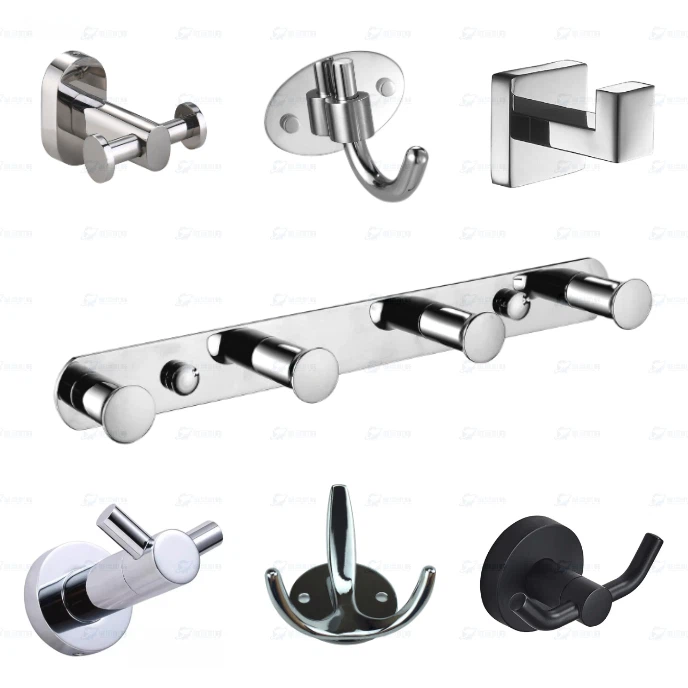
Towel and coat hanging hooks are often overlooked but are very important in a handicapped-friendly bathroom. They should be installed at a height that is easy for the user to reach. For wheelchair users, this means installing the hooks lower than usual.
These hooks can be used to hang towels, bathrobes, and even clothing. They come in various styles and finishes, so you can choose ones that match the rest of your bathroom decor.
Stainless Steel Liquid Soap Dispensers
Stainless steel liquid soap dispensers are a great addition to a handicapped-friendly bathroom. They are easy to use, especially for people with limited hand dexterity. You simply press the dispenser to get the soap, which is much easier than squeezing a soap bottle.
The stainless steel construction makes them durable and resistant to rust and corrosion. They also look sleek and modern, adding a touch of style to your bathroom.
Non-Slip Flooring
Non-slip flooring is a must in a handicapped-friendly bathroom. Wet floors can be extremely dangerous, especially for people with mobility issues. Non-slip tiles or floor mats can significantly reduce the risk of slips and falls.
There are many types of non-slip flooring available on the market. Some tiles have a textured surface that provides extra grip, while others are treated with a special coating to make them non-slip. Floor mats can also be placed in front of the sink, shower, and bathtub for added safety.
Adequate Lighting
Proper lighting is essential in a handicapped-friendly bathroom. It helps the user see clearly and reduces the risk of accidents. You should have a combination of ambient lighting, task lighting, and accent lighting.
Ambient lighting provides overall illumination in the bathroom. Task lighting, such as under-cabinet lights or vanity lights, is focused on specific areas like the sink or mirror. Accent lighting can be used to add a decorative touch to the bathroom.
Clear Space and Accessibility
Finally, it's important to ensure that there is enough clear space in the bathroom for easy movement. This means removing any unnecessary clutter and making sure that there are no obstacles in the way.
Doors should be wide enough to accommodate a wheelchair, and there should be enough turning radius inside the bathroom. You may also want to consider installing lever-style door handles, which are easier to operate than traditional doorknobs.
In conclusion, creating a handicapped-friendly bathroom requires careful planning and the right accessories. By investing in these essential bathroom accessories, you can make the bathroom a safer and more comfortable place for people with disabilities.
If you're interested in purchasing any of these handicapped-friendly bathroom accessories or have any questions about our products, feel free to reach out to us. We're here to help you create the perfect accessible bathroom.
References
- ADA Accessibility Guidelines for Buildings and Facilities. U.S. Access Board.
- National Association of Home Builders (NAHB) Remodelers. Bathroom Remodeling for Aging in Place.