

Hey there! As a supplier of lock components, I've been thinking a lot about the environmental impact of what we offer. It's not just about making products that are strong and reliable; it's also about understanding how they affect our planet. So, let's dive into the environmental aspects of lock components.
Material Sourcing
The first step in the life cycle of lock components is material sourcing. Most of the lock components we deal with are made from metals like steel, brass, and aluminum. Steel is a popular choice because it's strong and durable. However, the production of steel has a significant environmental footprint.
Steel is made from iron ore, which requires a lot of energy to mine and process. The mining process can lead to deforestation, soil erosion, and water pollution. Moreover, the smelting of iron ore to produce steel releases large amounts of carbon dioxide into the atmosphere. According to the World Steel Association, the steel industry accounts for about 7 - 9% of global carbon emissions.

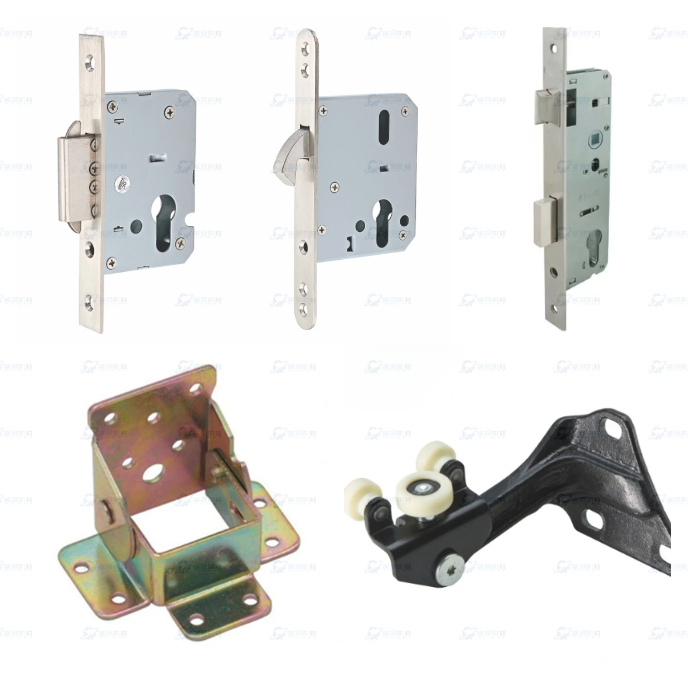
On the other hand, brass is an alloy of copper and zinc. Copper mining also has its environmental challenges, including the release of heavy metals into the environment and the consumption of large amounts of water. Aluminum, while lightweight and corrosion - resistant, requires a huge amount of electricity for its production. The electrolysis process used to extract aluminum from bauxite is energy - intensive.
But here at our company, we're trying to make a difference. We source materials from suppliers who follow sustainable mining practices. For example, some steel suppliers are now using recycled steel in their production, which reduces the need for virgin iron ore. Recycled steel production emits up to 75% less carbon dioxide compared to producing steel from scratch.
Manufacturing Process
Once the raw materials are sourced, they go through the manufacturing process. This involves cutting, shaping, and finishing the lock components. Machining operations like milling, drilling, and turning require the use of cutting fluids. These fluids can be a source of pollution if not properly managed. They may contain chemicals that are harmful to the environment and human health.
In addition, the heat treatment processes used to harden the metals consume a lot of energy. For instance, annealing, quenching, and tempering are common heat treatment methods that involve heating the components to high temperatures and then cooling them at specific rates.
To minimize the environmental impact of our manufacturing process, we've invested in modern machinery that is more energy - efficient. We also recycle the cutting fluids and other waste materials generated during the manufacturing process. By reusing these materials, we reduce the amount of waste sent to landfills and the need for new raw materials.
Product Use
When it comes to the use phase of lock components, their environmental impact is relatively low compared to the sourcing and manufacturing phases. However, there are still some factors to consider. For example, locks that are not durable may need to be replaced more frequently, which means more resources are used in the long run.
Our lock components, such as the Stainless Steel Thumb Turn Lock and Stainless Steel Quarter Turn Lock, are designed to be long - lasting. Stainless steel is corrosion - resistant, so these locks can withstand harsh environmental conditions without losing their functionality. This reduces the need for frequent replacements and thus conserves resources.
Another aspect of the use phase is the energy consumption of electronic lock components. Some modern locks are equipped with electronic features like keypads, fingerprint scanners, or wireless connectivity. These features require a power source, usually batteries. Disposing of used batteries can be a problem as they contain heavy metals and chemicals that can contaminate the soil and water if not recycled properly.
End - of - Life Disposal
When lock components reach the end of their useful life, proper disposal is crucial. If they end up in landfills, metals can leach into the soil and groundwater over time. This can cause pollution and harm to the ecosystem.
We encourage our customers to recycle our lock components. Many metals can be recycled and reused in the production of new products. For example, recycling brass can save up to 90% of the energy required to produce new brass from virgin materials.
Our Sliding Door Lock Components are made from materials that are easy to separate and recycle. We also provide information to our customers on how to properly recycle our products, so they can do their part in protecting the environment.
Conclusion
In conclusion, the environmental impact of lock components is a complex issue that spans across the entire life cycle of the products. From material sourcing to end - of - life disposal, every step has its own environmental challenges. But as a supplier, we're committed to reducing our environmental footprint.
We're constantly looking for ways to improve our processes, source more sustainable materials, and educate our customers about the importance of environmental protection. If you're in the market for high - quality and environmentally - friendly lock components, we'd love to have a chat with you. Whether you're a builder, a contractor, or a homeowner, we can provide you with the right lock components that meet your needs while also being kind to the planet. Contact us to start the procurement discussion and let's work together towards a more sustainable future.
References
- World Steel Association. (2023). Steel and climate change.
- International Aluminium Institute. (2023). Environmental impact of aluminium production.
- Copper Development Association. (2023). Environmental aspects of copper mining and production.