

Hey there! As a supplier of Bus Handrail Accessories, I'm super excited to share with you the various types of bus handrail accessories available out there. These little add - ons play a huge role in making bus rides safer and more comfortable for passengers.
1. Handgrips
Let's start with handgrips. They're like the most basic yet essential part of bus handrails. You know, when you're on a moving bus, you need something to hold onto tightly, right? Handgrips come in different materials.
Rubber Handgrips
Rubber handgrips are a popular choice. They're soft to the touch, which means they're gentle on your hands. They also provide a good amount of grip, even if your hands are a bit sweaty. This is super important because safety is a top priority on buses. Whether it's a sudden stop or a sharp turn, a good rubber handgrip can keep you steady. You can find these in different colors too, so bus operators can choose ones that match the interior of their buses.
Foam Handgrips
Foam handgrips are another option. They're even softer than rubber ones, giving a more cushioned feel. They're great for passengers who might have sensitive hands. However, they might not be as durable as rubber handgrips, but they still do a pretty good job of providing a comfortable hold.
2. Mounting Brackets
Mounting brackets are what keep the handrails in place on the bus. Without them, the handrails would just be loose pieces of metal!
Wall - Mounting Brackets
Wall - mounting brackets are used to attach the handrails to the walls of the bus. They're usually made of strong materials like steel or aluminum. Steel brackets are very sturdy and can handle a lot of weight. Aluminum brackets, on the other hand, are lighter, which can help reduce the overall weight of the bus. This is important for fuel efficiency. You can check out Subway Handrail Top Mounting Brackets for some great examples of high - quality mounting brackets.
Ceiling - Mounting Brackets
Ceiling - mounting brackets are used when the handrails are attached to the ceiling of the bus. These brackets need to be really strong because they have to support the weight of the handrail and all the passengers holding onto it. They're designed in a way that they can be easily installed and adjusted if needed.
3. End Caps
End caps are the small pieces that go on the ends of the handrails. They might seem like a minor detail, but they actually serve a few important purposes.
Safety End Caps
Safety end caps are designed to prevent injuries. They cover the sharp edges of the handrails, so passengers don't accidentally cut themselves. They're usually made of soft materials like plastic or rubber. This way, if someone bumps into the end of the handrail, it won't hurt as much.
Decorative End Caps
Decorative end caps are more about the look of the handrails. They come in different shapes and designs, and can add a touch of style to the bus interior. Bus operators can choose end caps that match the overall theme of the bus, making it look more attractive.
4. Sign Holders
Sign holders are used to display important information on the bus handrails. This could be things like bus routes, safety instructions, or advertisements.
Clear Plastic Sign Holders
Clear plastic sign holders are very common. They're transparent, so the signs inside are clearly visible. They're also easy to clean and maintain. You can just wipe them down with a damp cloth if they get dirty.
Magnetic Sign Holders
Magnetic sign holders are a bit more high - tech. They use magnets to hold the signs in place. This makes it really easy to change the signs whenever needed. You don't have to worry about glue or other adhesives that might leave a mess.
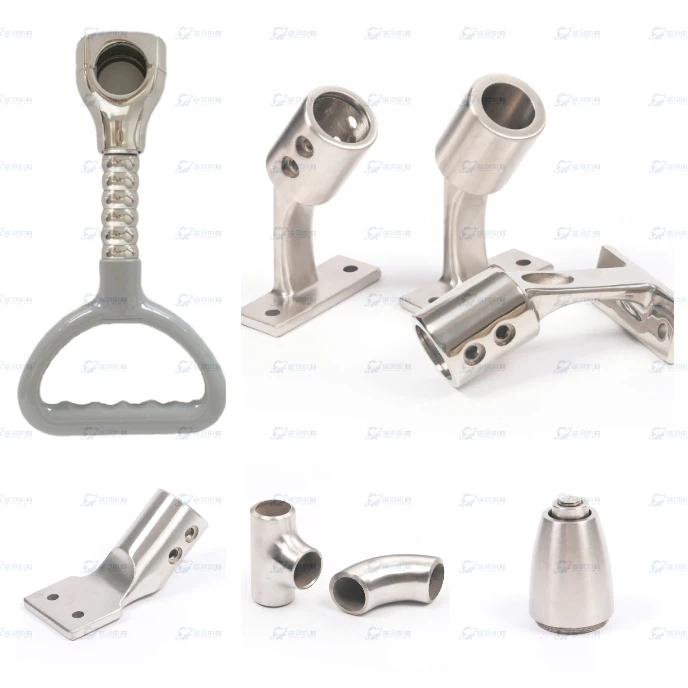

5. Anti - Slip Coating
Anti - slip coating is applied to the handrails to make them safer. It increases the friction between the handrail and the passenger's hand, reducing the risk of slipping.
Textured Anti - Slip Coating
Textured anti - slip coating has a rough surface. This rough texture provides a better grip, even in wet conditions. It's especially useful in areas where it rains a lot or where the bus might get wet from passengers' umbrellas.
Chemical Anti - Slip Coating
Chemical anti - slip coating works by creating a chemical bond with the handrail surface. It's very effective at preventing slips, but it might need to be reapplied from time to time to maintain its effectiveness.
6. Joint Connectors
Joint connectors are used to connect different sections of the handrails together. They ensure that the handrails are strong and stable.
Welded Joint Connectors
Welded joint connectors provide a very strong connection. The handrail sections are welded together, creating a single, solid piece. This type of connection is very durable and can withstand a lot of stress.
Bolted Joint Connectors
Bolted joint connectors are easier to install and remove. They use bolts to hold the handrail sections together. This makes it convenient for maintenance and repairs.
As you can see, there are so many different types of bus handrail accessories available. Each one plays an important role in making the bus a safer and more comfortable place for passengers. If you're in the market for Bus Handrail Accessories or Metro Handrail Accessories, I'd love to talk to you about your specific needs. Whether you're a bus operator looking to upgrade your fleet or a manufacturer in need of high - quality accessories, we can work together to find the perfect solutions.
If you have any questions or want to discuss a potential purchase, don't hesitate to reach out. I'm here to help you make the best choices for your buses.
References
- General knowledge about bus handrail accessories from industry experience.