

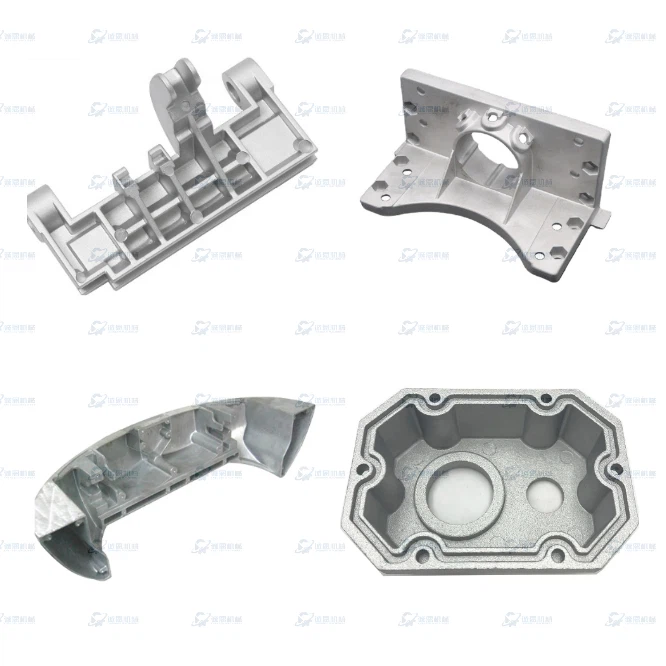
As a seasoned Aluminum Die Casting supplier, I've witnessed firsthand the diverse range of surface treatments available for aluminum die cast parts. These treatments not only enhance the aesthetic appeal of the parts but also improve their functionality, durability, and resistance to various environmental factors. In this blog post, I'll delve into the most common surface treatments for aluminum die cast parts, exploring their benefits, applications, and considerations.
Anodizing
Anodizing is one of the most popular surface treatments for aluminum die cast parts. It involves creating an oxide layer on the surface of the aluminum through an electrochemical process. This oxide layer is highly durable, corrosion-resistant, and can be dyed to achieve a wide range of colors.
Benefits:
- Corrosion Resistance: Anodized aluminum is highly resistant to corrosion, making it ideal for applications in harsh environments.
- Hardness and Wear Resistance: The anodized layer is harder than the base aluminum, providing excellent wear resistance.
- Aesthetic Appeal: Anodizing can be used to achieve a variety of colors, enhancing the visual appeal of the parts.
- Adhesion: The anodized layer provides a good surface for painting, bonding, or other secondary operations.
Applications:
- Architectural Applications: Anodized aluminum is commonly used in architectural applications such as window frames, door handles, and building facades.
- Automotive Industry: It is used for automotive parts such as wheels, trim, and engine components.
- Electronics Industry: Anodized aluminum is used for electronic enclosures, heat sinks, and other components.
Considerations:
- Cost: Anodizing can be relatively expensive, especially for complex shapes or large parts.
- Color Matching: Achieving consistent color matching can be challenging, especially for large production runs.
- Thickness Control: The thickness of the anodized layer needs to be carefully controlled to ensure the desired properties are achieved.
Powder Coating
Powder coating is a dry finishing process that involves applying a fine powder to the surface of the aluminum die cast parts. The powder is then cured under heat, forming a hard, durable finish.
Benefits:
- Durability: Powder coating provides excellent durability, resistance to chipping, scratching, and fading.
- Aesthetic Appeal: It offers a wide range of colors and finishes, including matte, gloss, and textured.
- Environmental Friendliness: Powder coating is a more environmentally friendly option compared to liquid painting, as it produces less waste and emissions.
- Uniform Coverage: Powder coating provides a uniform finish, even on complex shapes and recessed areas.
Applications:
- Automotive Industry: Powder coating is used for automotive parts such as bumpers, wheels, and chassis components.
- Furniture Industry: It is used for furniture frames, chairs, and tables.
- Industrial Equipment: Powder coating is used for industrial equipment such as machinery, cabinets, and enclosures.
Considerations:
- Surface Preparation: Proper surface preparation is crucial for achieving a good powder coating finish. The parts need to be clean, dry, and free of contaminants.
- Curing Process: The curing process requires careful control of temperature and time to ensure the powder is fully cured.
- Thickness Control: The thickness of the powder coating needs to be carefully controlled to ensure the desired properties are achieved.
Painting
Painting is a traditional surface treatment for aluminum die cast parts. It involves applying a liquid paint to the surface of the parts using a spray gun, brush, or dip coating method.
Benefits:
- Aesthetic Appeal: Painting offers a wide range of colors and finishes, allowing for customization and branding.
- Corrosion Resistance: Paint can provide a protective barrier against corrosion, especially when used in combination with a primer.
- Cost-Effective: Painting is a relatively cost-effective option, especially for small production runs.
Applications:
- Consumer Goods: Painting is commonly used for consumer goods such as appliances, toys, and sporting equipment.
- Automotive Industry: It is used for automotive parts such as body panels, interiors, and trim.
- Marine Industry: Painting is used for marine applications such as boat hulls, decks, and fittings.
Considerations:
- Surface Preparation: Proper surface preparation is crucial for achieving a good paint finish. The parts need to be clean, dry, and free of contaminants.
- Drying and Curing: The paint needs to be allowed to dry and cure properly to ensure its durability and adhesion.
- Environmental Impact: Liquid painting can produce volatile organic compounds (VOCs), which can have a negative impact on the environment.
Plating
Plating is a surface treatment process that involves depositing a thin layer of metal onto the surface of the aluminum die cast parts. Common plating materials include nickel, chrome, and zinc.
Benefits:
- Corrosion Resistance: Plating can provide excellent corrosion resistance, especially for parts used in harsh environments.
- Aesthetic Appeal: Plating can enhance the visual appeal of the parts, giving them a shiny, metallic finish.
- Wear Resistance: Plated parts are more resistant to wear and abrasion.
- Electrical Conductivity: Some plating materials, such as nickel and copper, can improve the electrical conductivity of the parts.
Applications:
- Automotive Industry: Plating is used for automotive parts such as bumpers, grilles, and trim.
- Electronics Industry: It is used for electronic components such as connectors, switches, and circuit boards.
- Decorative Applications: Plating is used for decorative items such as jewelry, trophies, and art objects.
Considerations:
- Cost: Plating can be relatively expensive, especially for large parts or complex shapes.
- Environmental Impact: Plating processes can produce hazardous waste and pollutants, which need to be properly managed.
- Adhesion: Ensuring good adhesion between the plating layer and the aluminum substrate can be challenging.
Polishing and Buffing
Polishing and buffing are mechanical surface finishing processes that involve using abrasive materials to smooth and shine the surface of the aluminum die cast parts.
Benefits:

- Aesthetic Appeal: Polishing and buffing can give the parts a smooth, shiny finish, enhancing their visual appeal.
- Surface Smoothness: These processes can improve the surface smoothness of the parts, reducing friction and wear.
- Cleaning and Deburring: Polishing and buffing can also help to clean the parts and remove any burrs or sharp edges.
Applications:
- Decorative Applications: Polished and buffed aluminum parts are commonly used for decorative items such as jewelry, watches, and art objects.
- Automotive Industry: They are used for automotive parts such as wheels, trim, and engine components.
- Consumer Goods: Polished and buffed aluminum is used for consumer goods such as appliances, electronics, and sporting equipment.
Considerations:
- Labor Intensive: Polishing and buffing can be labor-intensive processes, especially for complex shapes and large parts.
- Surface Damage: Care needs to be taken to avoid over-polishing or causing surface damage to the parts.
- Consistency: Achieving consistent results can be challenging, especially for large production runs.
Conclusion
In conclusion, there are several common surface treatments available for aluminum die cast parts, each with its own benefits, applications, and considerations. As an Aluminum Die Casting supplier, we understand the importance of selecting the right surface treatment for your specific requirements. Whether you need enhanced corrosion resistance, improved aesthetic appeal, or better wear resistance, we can help you choose the most suitable surface treatment for your aluminum die cast parts.
If you're interested in learning more about our Die Casting Parts for LED Lights, A356 Aluminum Casting, or High Pressure Aluminum Casting services, or if you have any questions about surface treatments for aluminum die cast parts, please don't hesitate to contact us. We look forward to discussing your project and providing you with the best solutions.
References
- ASM Handbook, Volume 5: Surface Engineering
- Aluminum Association: Aluminum Anodizing
- Powder Coating Institute: Powder Coating Technology
- Metal Finishing Guidebook