

When it comes to stair handrails, one of the most critical components that often goes unnoticed is the handrail bracket. These unassuming pieces of hardware play a pivotal role in ensuring the safety and stability of the handrail system. As a leading supplier of Stair Handrail Brackets, I am frequently asked about the weight capacity of these brackets. In this blog post, I will delve into the factors that determine the weight capacity of stair handrail brackets, the importance of choosing the right brackets, and how our products meet the highest standards.
Understanding the Weight Capacity of Stair Handrail Brackets
The weight capacity of a stair handrail bracket refers to the maximum amount of weight that the bracket can safely support without failing. This capacity is determined by several factors, including the material of the bracket, its design, and the method of installation.
Material
The material of the handrail bracket is one of the most significant factors affecting its weight capacity. Common materials used for stair handrail brackets include stainless steel, aluminum, and wrought iron.
Stainless steel is a popular choice due to its strength, durability, and resistance to corrosion. Stainless Steel Stair Handrail Bracket can withstand heavy loads and are suitable for both indoor and outdoor applications. Aluminum brackets are lightweight and also corrosion-resistant, but they generally have a lower weight capacity compared to stainless steel. Wrought iron brackets are known for their classic appearance and high strength, making them a good choice for traditional staircases.
Design
The design of the handrail bracket also plays a crucial role in determining its weight capacity. Brackets with a wider base and a more robust structure can distribute the weight more evenly, reducing the stress on individual components. For example, some brackets are designed with multiple support points or reinforced edges, which can significantly increase their weight capacity.
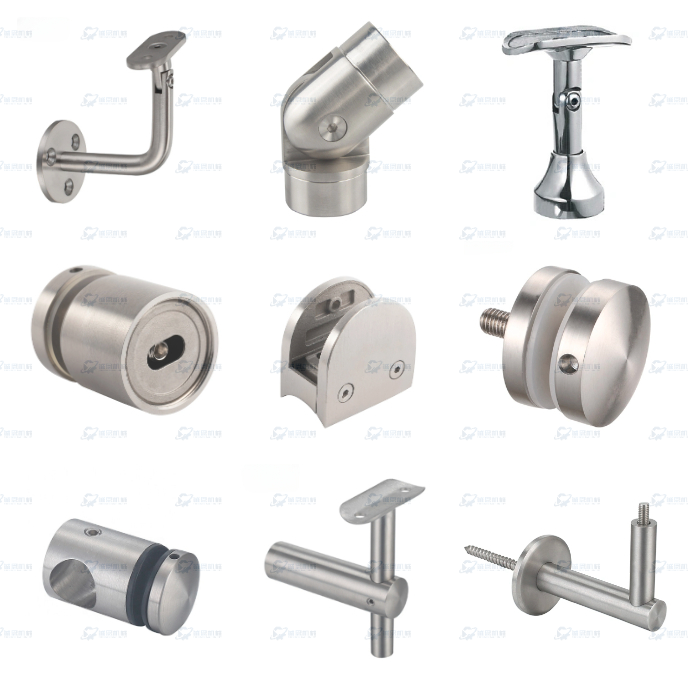
Stair Handrail Mounting Brackets come in various shapes and sizes, each designed to meet different load requirements. Some brackets are designed for straight handrails, while others are suitable for curved or angled handrails. The shape and size of the bracket should be chosen based on the specific application and the expected load.
Installation
Proper installation is essential for ensuring the full weight capacity of the handrail bracket. The bracket should be securely attached to a solid surface, such as a wall or a stair stringer. The use of appropriate fasteners, such as screws or bolts, is crucial for maintaining the integrity of the installation.
If the bracket is not installed correctly, it may not be able to support the intended weight, which can lead to safety hazards. It is recommended to follow the manufacturer's installation instructions carefully or hire a professional installer to ensure a proper and secure installation.
Importance of Choosing the Right Weight Capacity
Choosing the right weight capacity for stair handrail brackets is of utmost importance for several reasons.
Safety
The primary function of a handrail is to provide support and prevent falls. If the handrail brackets cannot support the weight of the users, the handrail may fail, posing a significant safety risk. In public buildings, such as schools, hospitals, and commercial establishments, the weight capacity of the handrail brackets must meet or exceed the local building codes and regulations to ensure the safety of the occupants.
Durability
Using brackets with the appropriate weight capacity can also extend the lifespan of the handrail system. When the brackets are overloaded, they are more likely to experience wear and tear, which can lead to premature failure. By choosing brackets that can handle the expected load, you can ensure that the handrail system remains stable and functional for a longer period.
Aesthetics
In addition to safety and durability, the weight capacity of the handrail brackets can also affect the aesthetics of the staircase. Brackets that are too weak for the handrail may cause the handrail to sag or appear unstable, which can detract from the overall appearance of the staircase. On the other hand, brackets that are appropriately sized and designed can enhance the visual appeal of the handrail system.
Our Stair Handrail Brackets
As a supplier of Stair Handrail Brackets, we offer a wide range of products to meet the diverse needs of our customers. Our Brushed Staircase Railing Metal Hardware is made from high-quality materials and is designed to provide maximum strength and durability.
We understand the importance of weight capacity and ensure that all our brackets are tested to meet or exceed the industry standards. Our stainless steel brackets, for example, are capable of supporting heavy loads and are suitable for both residential and commercial applications. We also offer a variety of designs and finishes to match different architectural styles and preferences.
How to Determine the Right Weight Capacity for Your Project
Determining the right weight capacity for your stair handrail brackets depends on several factors, including the type of staircase, the expected use, and the local building codes.

Type of Staircase
The type of staircase can have a significant impact on the weight capacity requirements. For example, a straight staircase may require less support compared to a curved or spiral staircase. In a curved staircase, the handrail is subjected to additional stress due to the change in direction, which means that the brackets need to be stronger to support the load.
Expected Use
The expected use of the staircase also plays a role in determining the weight capacity. A staircase in a residential home may have different load requirements compared to a staircase in a commercial building. In a commercial building, such as a shopping mall or a hotel, the staircase is likely to be used by a large number of people, which means that the handrail brackets need to be able to support a higher load.
Local Building Codes
It is essential to check the local building codes and regulations regarding the weight capacity of stair handrail brackets. These codes are designed to ensure the safety of the occupants and may specify the minimum weight capacity requirements for different types of buildings and staircases. Failure to comply with the local building codes can result in fines and legal issues.
Contact Us for Your Handrail Bracket Needs
If you are in the process of installing or replacing stair handrails, it is crucial to choose the right handrail brackets with the appropriate weight capacity. As a trusted supplier of Stair Handrail Brackets, we are committed to providing high-quality products and excellent customer service.
Our team of experts can help you determine the right weight capacity for your project and recommend the best products for your needs. Whether you are a contractor, an architect, or a homeowner, we can provide you with the information and support you need to make an informed decision.
Contact us today to discuss your handrail bracket requirements and to learn more about our products. We look forward to working with you to ensure the safety and beauty of your staircase.
References
- Building Codes and Standards: Various local and national building codes and standards related to stair handrail brackets.
- Manufacturer's Specifications: Product specifications provided by the manufacturers of stair handrail brackets.
- Industry Research: Research studies and reports on the performance and weight capacity of stair handrail brackets.