

Hey there! As a supplier of wall-mounted handrails, I've seen firsthand the importance of proper installation standards, especially in elevator lobbies. In this blog, I'm gonna break down what those standards are and why they matter.
Why Installation Standards Matter in Elevator Lobbies
Elevator lobbies are high-traffic areas. People of all ages and physical abilities use them daily. A well-installed wall-mounted handrail can provide support for those who need it, like the elderly or people with disabilities. It also adds a safety factor in case of slips, trips, or falls. And let's not forget about the aesthetic aspect. A properly installed handrail can enhance the overall look of the lobby, making it more inviting and professional.
Height Requirements
One of the most crucial installation standards is the height of the handrail. In most building codes, the top of the handrail should be installed between 34 inches (86.4 cm) and 38 inches (96.5 cm) above the finished floor surface. This range is designed to accommodate people of different heights and ensure that the handrail is within easy reach. For example, if you install the handrail too high, it won't be useful for shorter individuals. On the other hand, if it's too low, taller people might have to bend down to use it, which can be uncomfortable and even unsafe.
Mounting Spacing
The spacing between the mounting brackets is another important factor. Generally, brackets should be placed no more than 4 feet (1.2 meters) apart. This spacing helps to ensure that the handrail is stable and can support the weight of a person leaning or holding onto it. In high-traffic elevator lobbies, you might even want to consider reducing the spacing to 3 feet (0.9 meters) for added stability. You can check out our Wall Mounted Banister for more options on handrails with proper mounting solutions.
Material and Finish
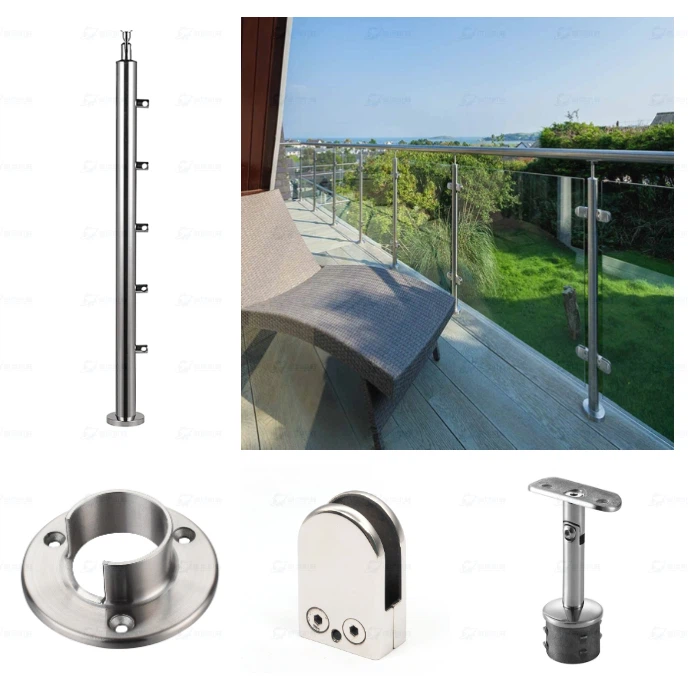
The material and finish of the handrail also play a role in the installation standards. In elevator lobbies, you'll want to choose a material that is durable and easy to clean. Stainless steel is a popular choice because it's resistant to corrosion and can withstand heavy use. Our Stainless Steel Wall Mounted Glass Handrail is not only stylish but also meets the high standards of durability required for elevator lobbies. The finish of the handrail should also be smooth to prevent any sharp edges or rough spots that could cause injury.
Structural Integrity
Before installing a wall-mounted handrail, you need to assess the structural integrity of the wall. The wall must be able to support the weight of the handrail and any additional load that might be placed on it. If the wall is made of drywall, you'll likely need to install blocking or anchors to provide a secure mounting surface. In some cases, you might need to consult a structural engineer to ensure that the installation is safe. And don't forget about the brackets themselves. They should be made of high-quality materials and designed to withstand the forces applied to the handrail. Our Scaffold Handrail Clamp Fittings are a great option for ensuring a secure and stable installation.
Clearance Requirements
There should be a minimum clearance between the handrail and the wall. Most codes require at least 1.5 inches (3.8 cm) of clearance. This allows people to grip the handrail comfortably without their fingers getting pinched between the handrail and the wall. Additionally, there should be enough clearance around the ends of the handrail to prevent any tripping hazards.
End Treatments
The ends of the handrail are also important. They should be smooth and rounded to prevent any sharp edges. In some cases, the ends might need to be returned into the wall or capped with a safety end cap. This helps to prevent injuries from people accidentally hitting the ends of the handrail.
Compliance with Regulations
It's essential to ensure that your handrail installation complies with all relevant building codes and regulations. These codes can vary depending on your location, so it's a good idea to check with your local building department before starting the installation. Non-compliance can result in fines and even the need to redo the installation.
Quality Assurance
As a supplier, we take quality assurance seriously. We test our handrails to ensure that they meet or exceed the industry standards. Our products are designed to be easy to install, but we also offer support and guidance to our customers to ensure that the installation is done correctly. If you have any questions about the installation process or need help choosing the right handrail for your elevator lobby, don't hesitate to reach out.
The Benefits of Working with a Reputable Supplier
When you choose a reputable supplier like us, you can expect high-quality products and excellent customer service. We have a wide range of wall-mounted handrails to choose from, so you can find the perfect one for your elevator lobby. We also offer competitive pricing and fast delivery. Our team of experts is always available to answer your questions and provide support throughout the installation process.

Contact Us for Your Handrail Needs
If you're in the market for a wall-mounted handrail for your elevator lobby, we'd love to hear from you. Whether you're a contractor, building owner, or facility manager, we can help you find the right solution for your needs. Just reach out to us, and we'll start the conversation. We're here to make the process as easy and stress-free as possible.
References
- International Building Code (IBC)
- Americans with Disabilities Act (ADA) Accessibility Guidelines
So, there you have it! The installation standards for a wall-mounted handrail in an elevator lobby are crucial for safety, functionality, and aesthetics. By following these standards and working with a reliable supplier, you can ensure that your elevator lobby has a handrail that meets all your needs. Don't wait any longer – contact us today to discuss your handrail requirements!