

Hey there! As a supplier of lock components, I often get asked about the lifespan of typical lock components. It's a pretty common question, and for good reason. After all, nobody wants to invest in locks that are going to wear out quickly and leave their property vulnerable. So, let's dive into this topic and explore what affects the lifespan of lock components and how long you can expect them to last.

Factors Affecting the Lifespan of Lock Components
Before we start talking about specific lifespans, it's important to understand the factors that can influence how long lock components will last. Here are some of the key factors:
Material Quality
The quality of the materials used to make the lock components is one of the most important factors. High - quality materials like stainless steel, brass, and hardened alloys are more durable and resistant to wear, corrosion, and damage than lower - quality materials. For example, a lock made of cheap plastic is likely to break or crack much more easily than one made of solid brass.
Usage Frequency
How often the lock is used also plays a big role. Locks on doors that are opened and closed multiple times a day, like the front door of a busy office, will wear out faster than those on a rarely - used storage closet. The constant turning of the key, the movement of the locking mechanism, and the pressure applied during use all contribute to wear and tear.
Environmental Conditions
The environment where the lock is installed can have a significant impact on its lifespan. Locks exposed to harsh weather conditions, such as extreme heat, cold, humidity, or saltwater, are more likely to corrode and malfunction. For instance, locks on outdoor gates near the ocean are at a higher risk of rusting due to the salt in the air.
Installation Quality
Proper installation is crucial for the longevity of lock components. If a lock is not installed correctly, it may not function properly, leading to premature wear. For example, if the strike plate is not aligned correctly with the lock, it can cause the locking mechanism to work harder than it should, which can wear out the components more quickly.
Lifespan of Different Lock Components
Now, let's take a look at the typical lifespan of some common lock components.
Key Cylinders
Key cylinders are the part of the lock where you insert the key. They are one of the most frequently used components, so they can wear out relatively quickly. On average, a key cylinder in a residential setting can last anywhere from 5 to 10 years. However, in high - traffic commercial settings, this lifespan can be reduced to 2 to 5 years. The constant turning of the key inside the cylinder causes the pins and tumblers to wear down over time. Eventually, the key may not turn smoothly or may not be able to engage the locking mechanism properly.
Deadbolts
Deadbolts are known for their strength and security. A well - made deadbolt can last a long time. In a normal residential environment, a deadbolt can last 10 to 20 years. The lifespan depends on the quality of the deadbolt and how often it is used. Deadbolts that are made of high - quality materials and are installed correctly are less likely to malfunction. However, if they are exposed to excessive force or are used in a harsh environment, their lifespan can be shortened.
Padlocks
Padlocks are used in a variety of settings, from securing storage units to locking gates. The lifespan of a padlock can vary widely depending on its quality and usage. A basic padlock made of lower - quality materials may only last 2 to 5 years, especially if it is used outdoors or in a high - stress environment. On the other hand, a heavy - duty padlock made of high - grade steel and with a good anti - corrosion coating can last 10 years or more.
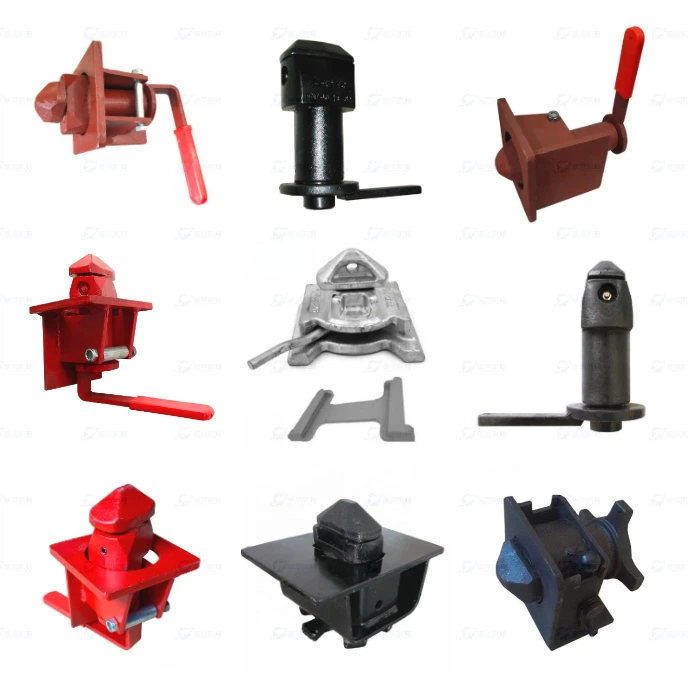
Semi Trailer Twist Lock
Semi trailer twist locks are used to secure containers on trailers. These locks are designed to withstand a lot of stress and movement. In a normal commercial trucking environment, a semi trailer twist lock can last 5 to 10 years. However, if the trailers are frequently on rough roads or are subject to heavy loads, the lifespan may be reduced. The constant vibration and movement can cause the locking mechanism to wear out over time.
High Security Toilet Door Lock
High security toilet door locks are designed to provide privacy and security in public and private restrooms. In a low - traffic restroom, these locks can last 5 to 10 years. But in a high - traffic area, like a restroom in a shopping mall or a stadium, the lifespan may be closer to 2 to 5 years. The repeated use, especially by a large number of people, can cause the locking mechanism to wear out.
Sliding Door Lock Components
Sliding door lock components are subject to different types of wear compared to traditional door locks. The sliding motion of the door and the way the lock engages can cause unique stress on the components. In a residential setting, sliding door lock components can last 5 to 10 years. However, in a commercial setting with heavy use, such as a sliding door in a busy store, the lifespan may be reduced to 2 to 5 years.
Extending the Lifespan of Lock Components
While the lifespan of lock components is influenced by many factors, there are some things you can do to extend their life.
Regular Maintenance
Regular maintenance is essential for keeping locks in good working condition. This includes cleaning the lock components, lubricating the moving parts, and checking for any signs of wear or damage. You can use a dry lubricant, like graphite powder, to lubricate the key cylinder and the locking mechanism. This helps to reduce friction and wear.
Replace Worn - Out Parts
If you notice that a lock component is starting to wear out, it's a good idea to replace it before it fails completely. For example, if the key is starting to turn hard in the cylinder, it may be time to replace the key cylinder. This can prevent more serious problems down the road and keep your locks functioning properly.
Protect from the Elements
If possible, protect locks from harsh environmental conditions. You can use weatherproof covers or paint locks with a rust - resistant coating to prevent corrosion. For outdoor locks, consider installing them in a sheltered area or using a lockbox to protect them from direct exposure to the elements.
Contact for Procurement
If you're in the market for high - quality lock components, I'm here to help. Whether you need Semi Trailer Twist Lock, High Security Toilet Door Lock, or Sliding Door Lock Components, I have a wide range of products to meet your needs. Our lock components are made from top - quality materials and are designed to last. Contact me today to discuss your requirements and get a quote. We can work together to find the best lock solutions for your specific situation.
References
- "Locksmithing: A Complete Guide" by John Doe
- "The Handbook of Lock Technology" by Jane Smith
- Industry research reports on lock component durability